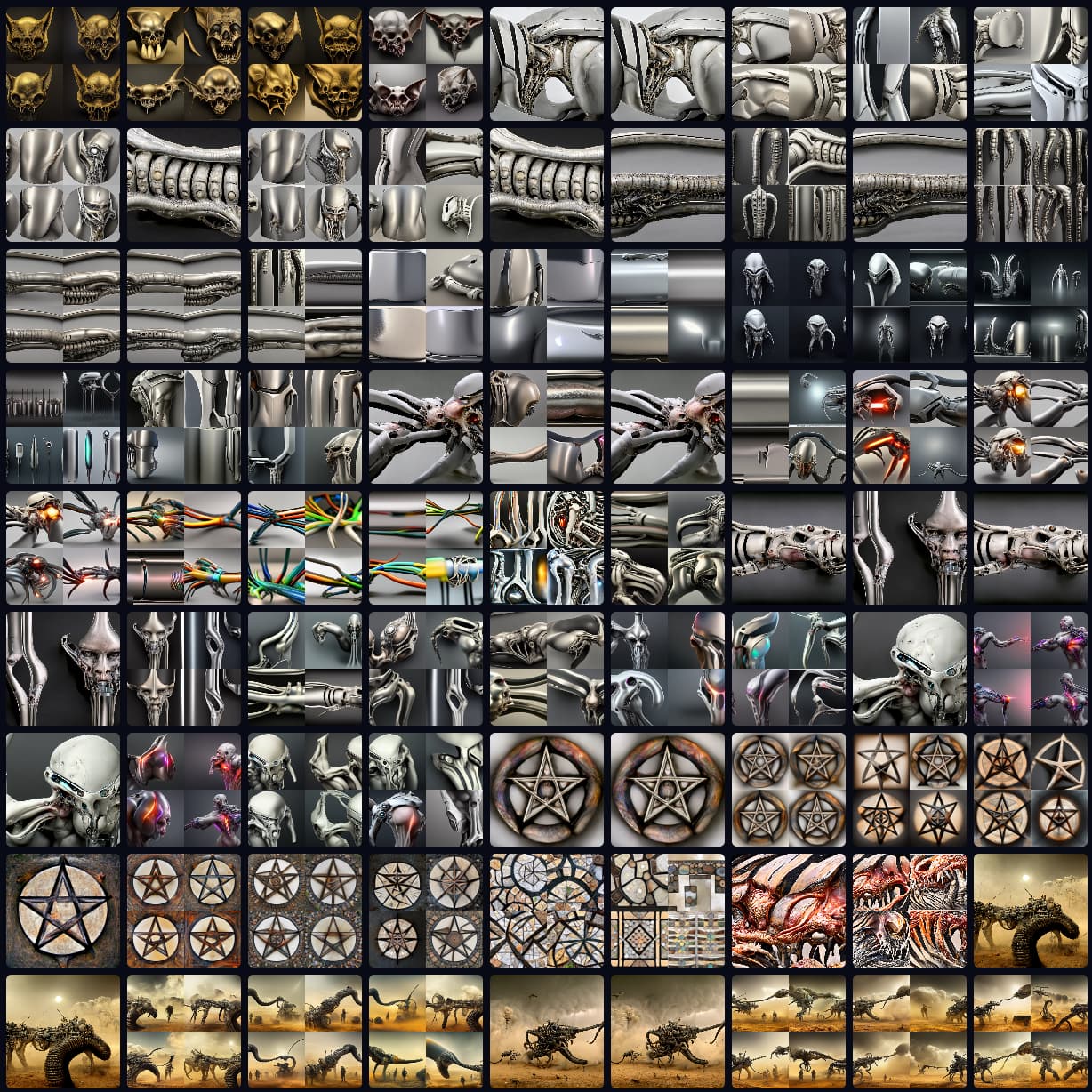
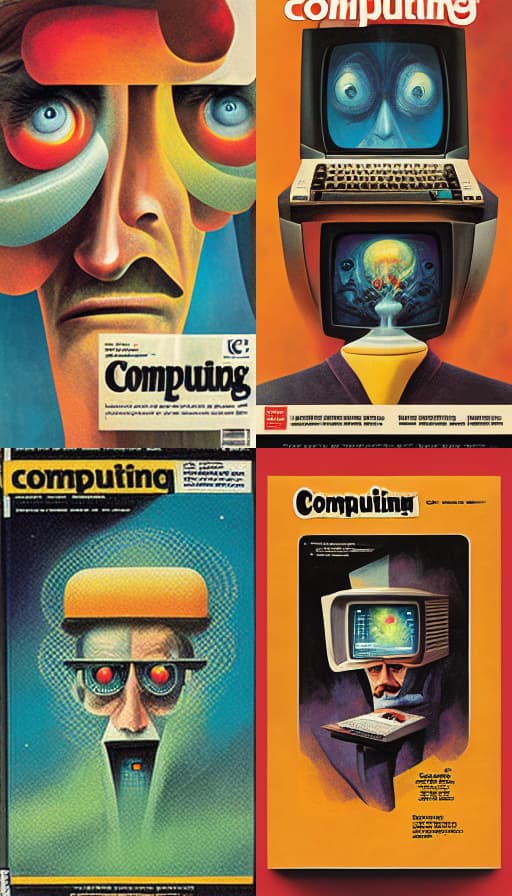
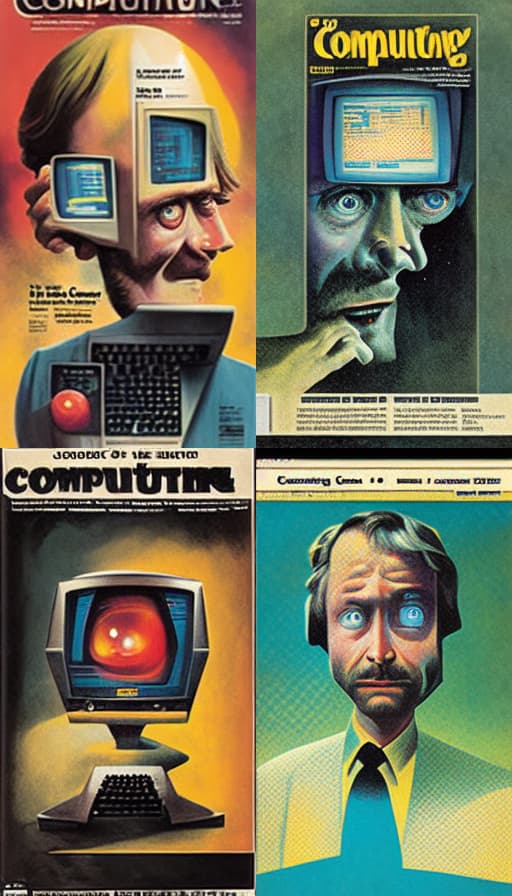
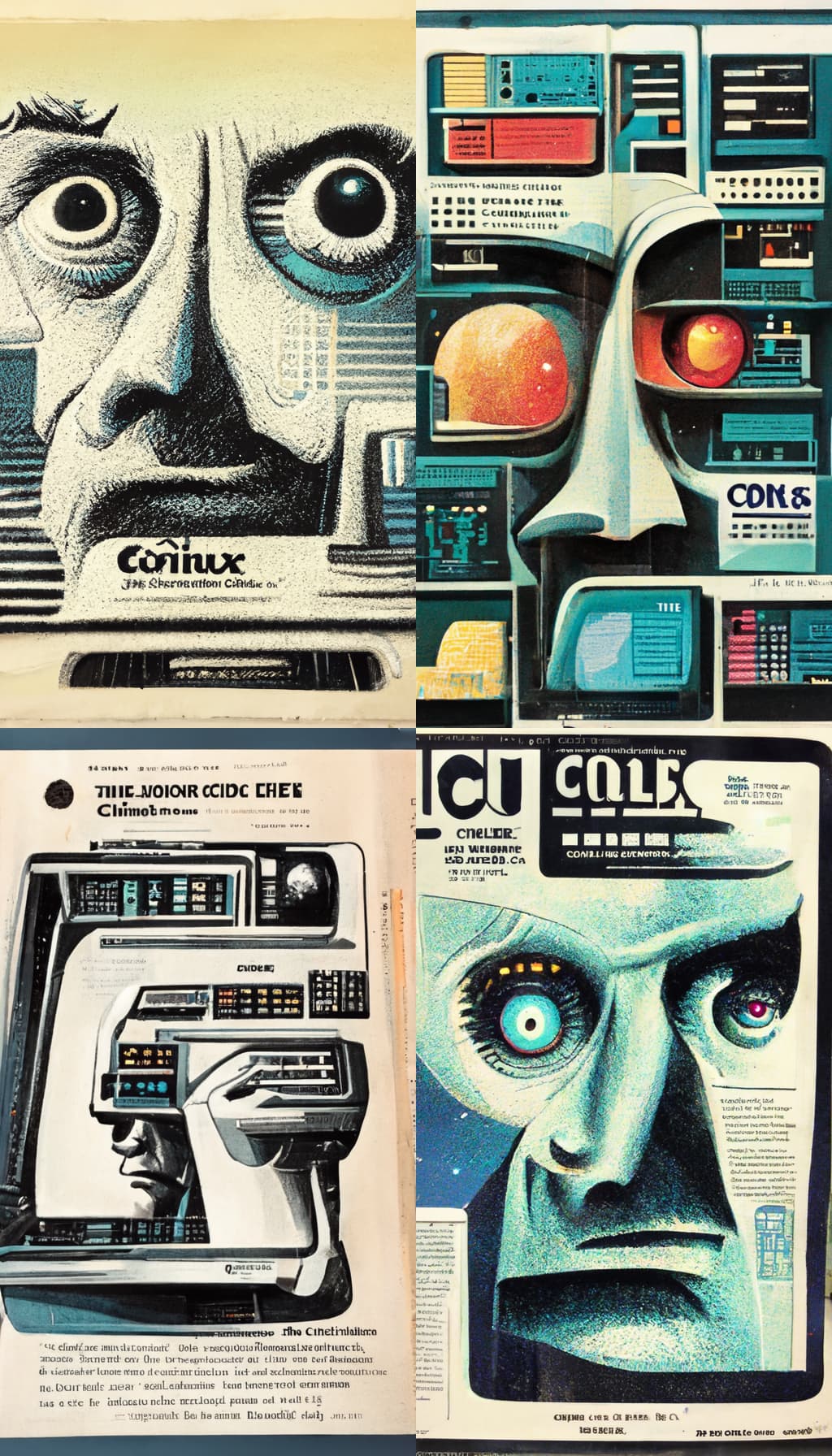
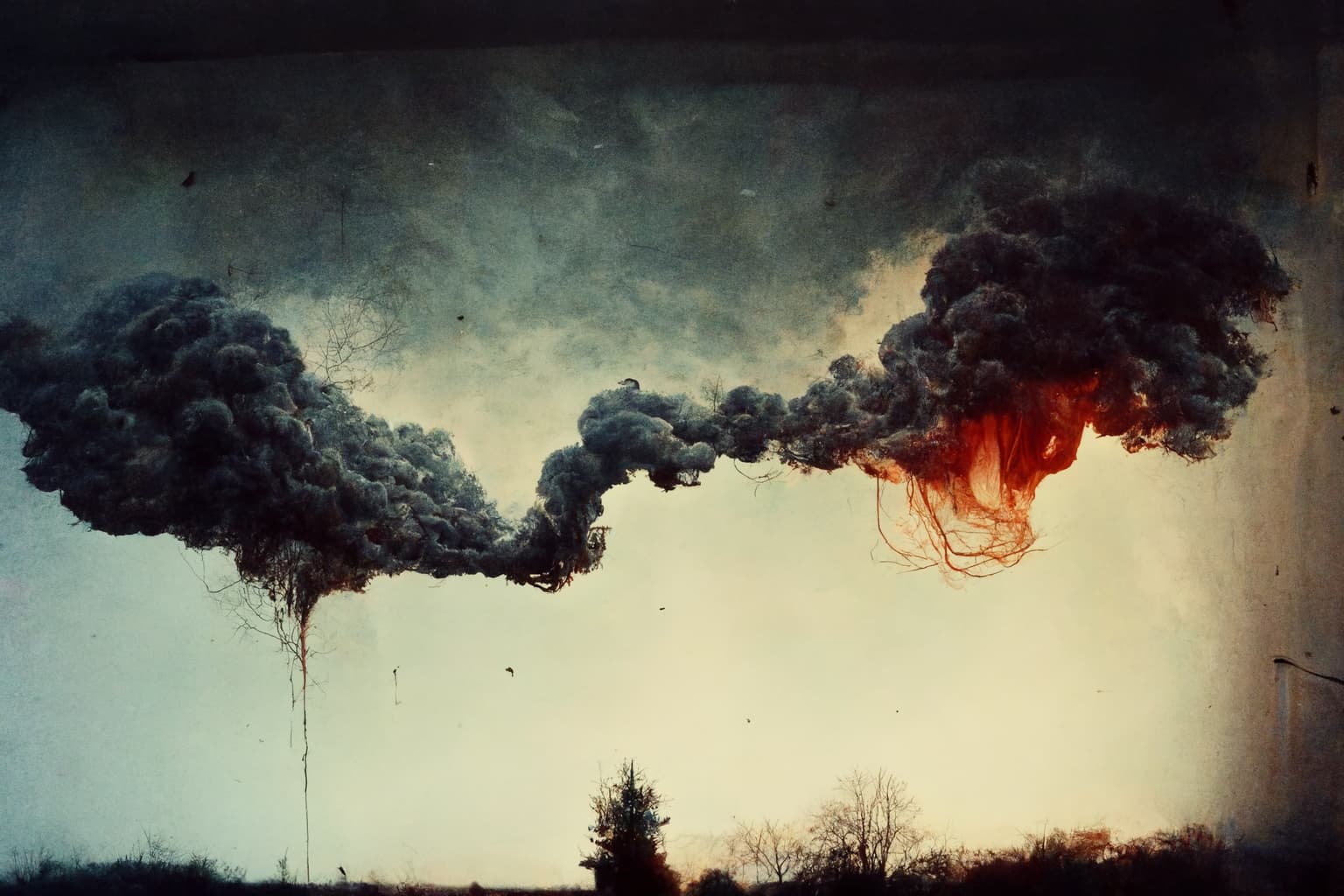
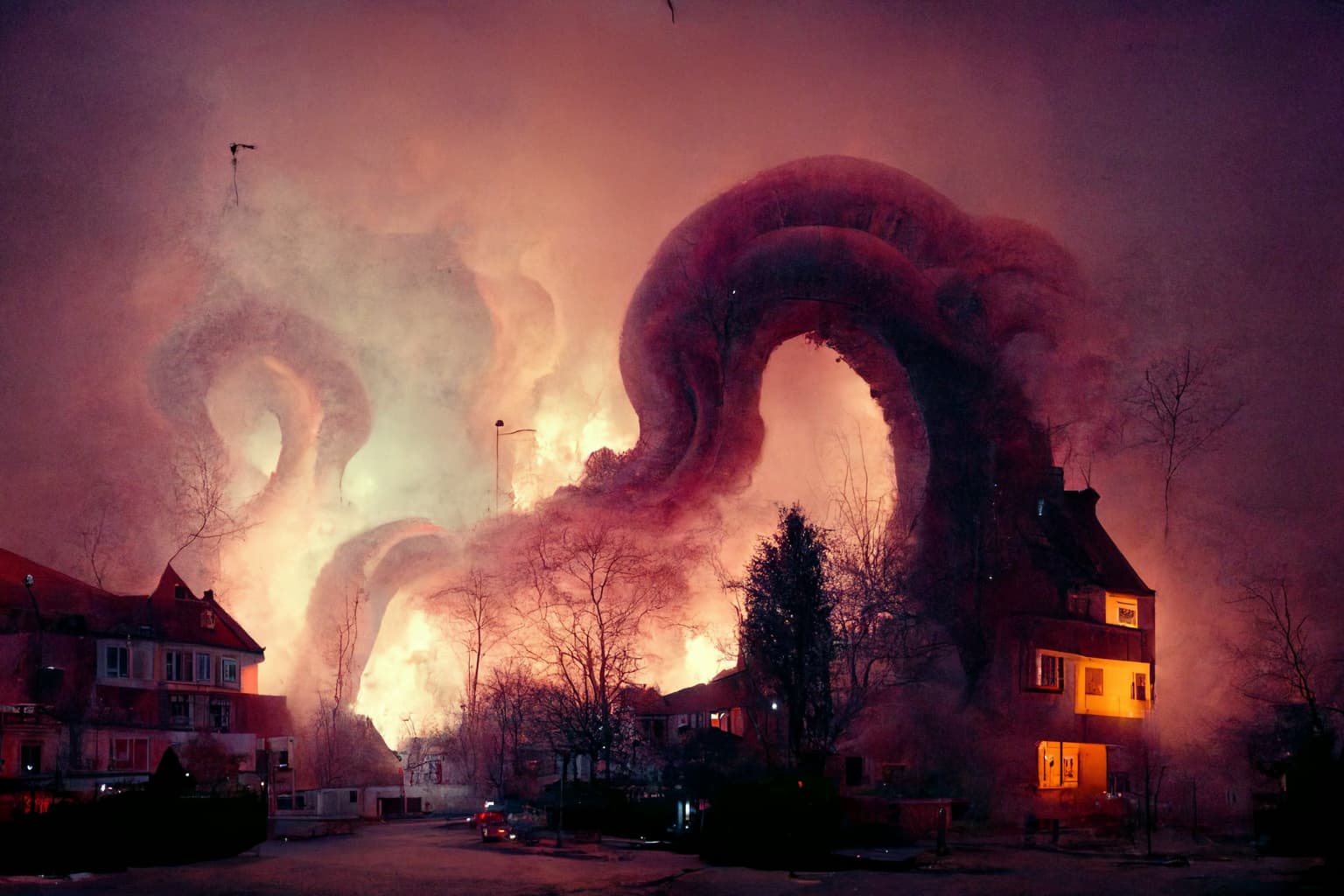
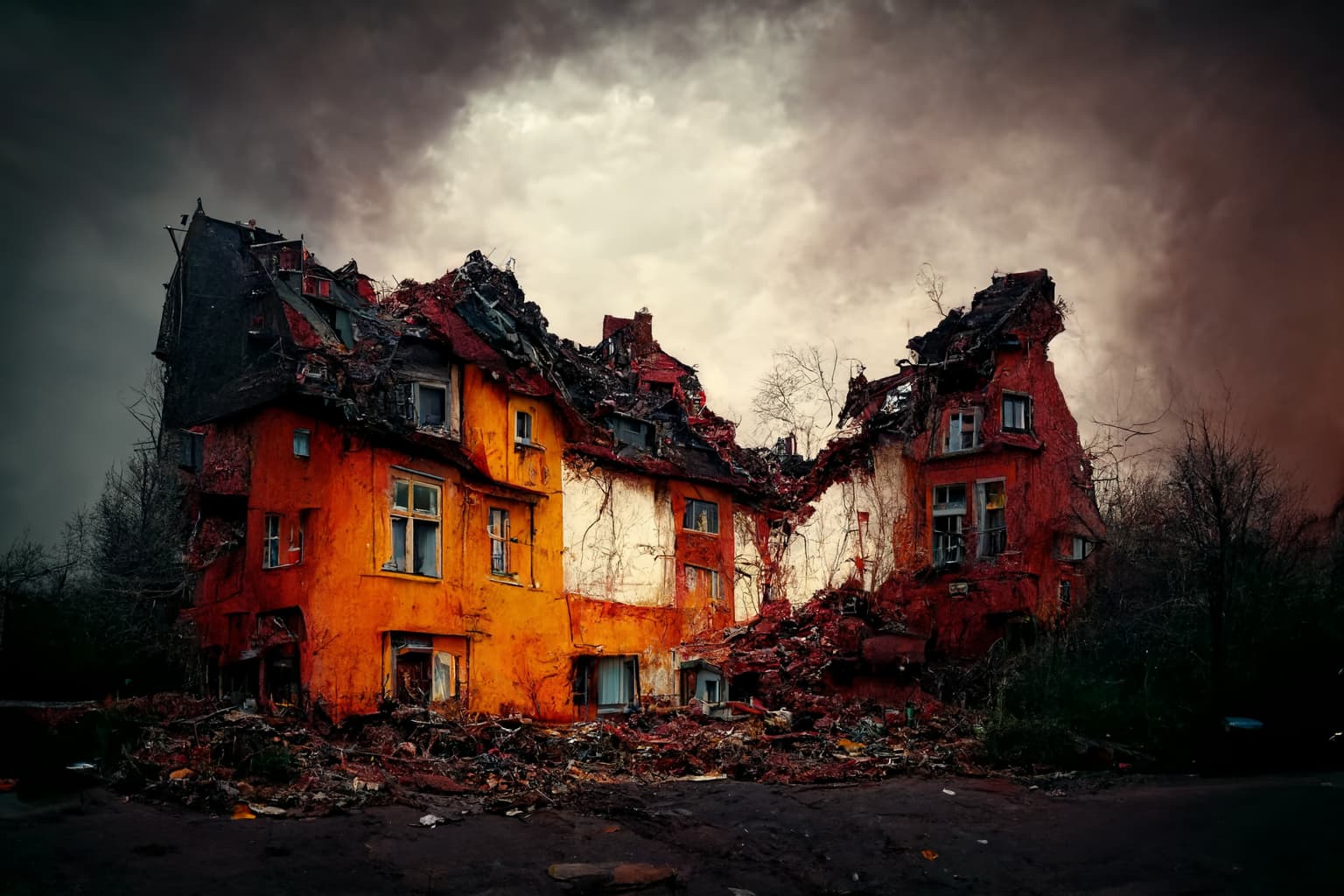
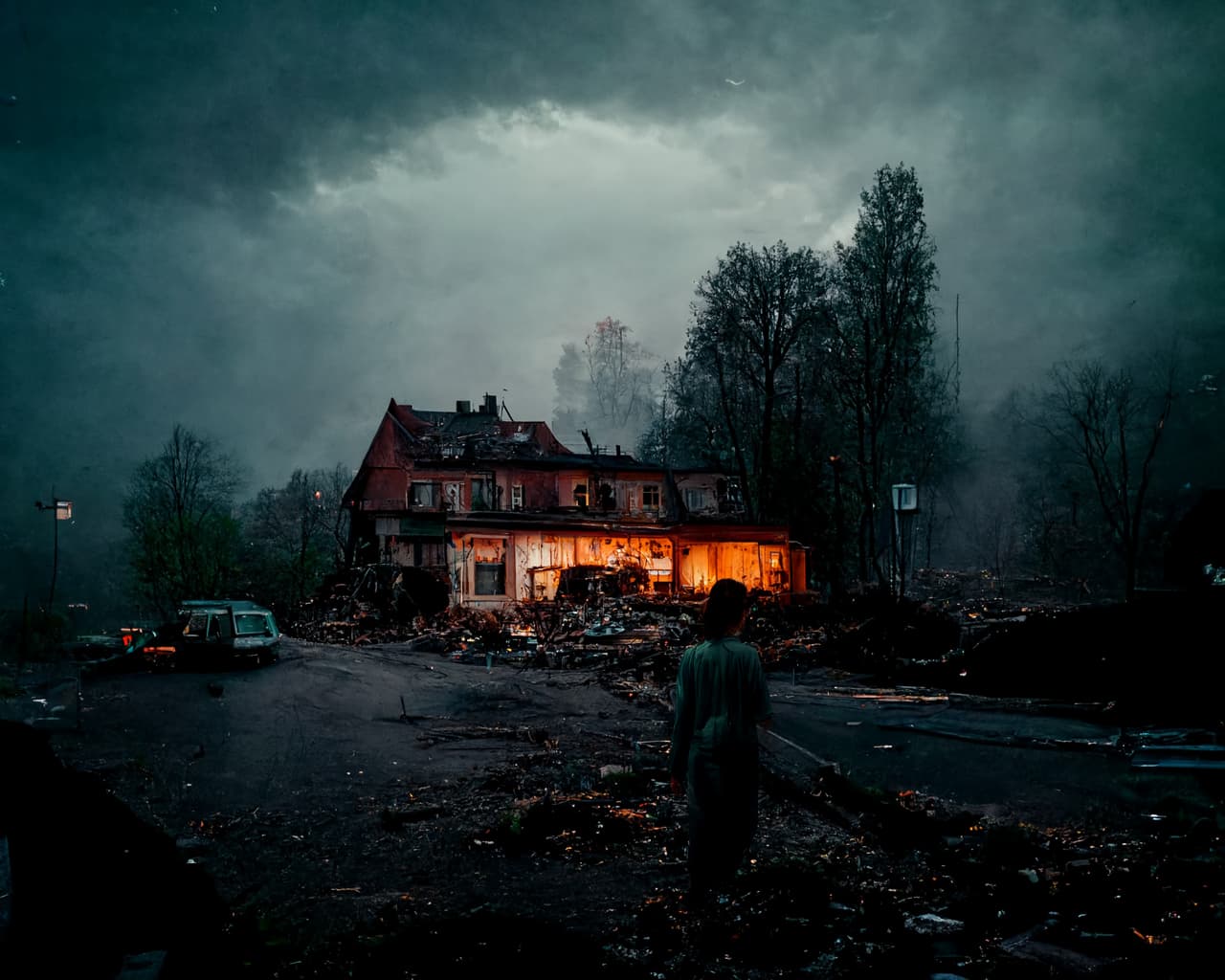
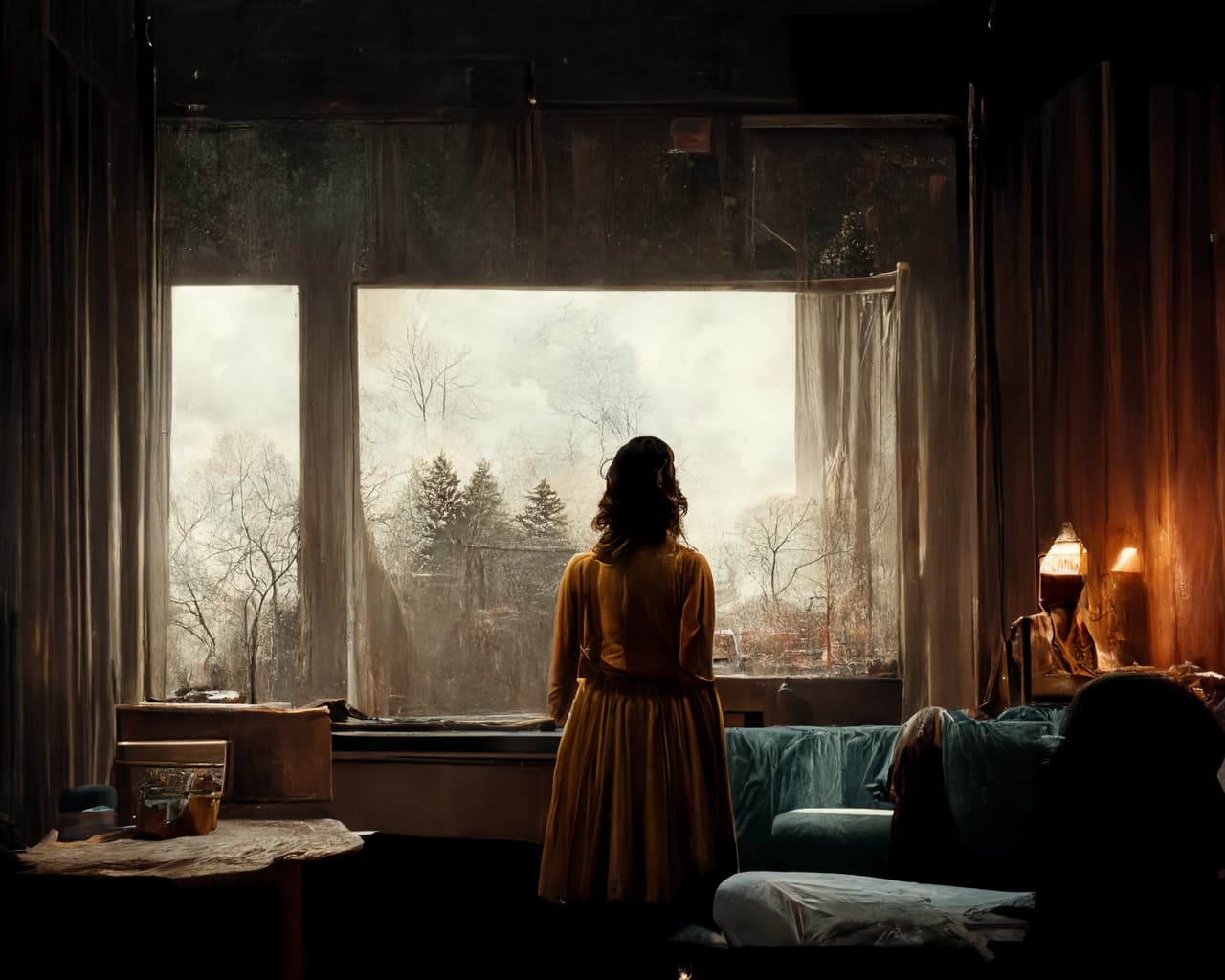
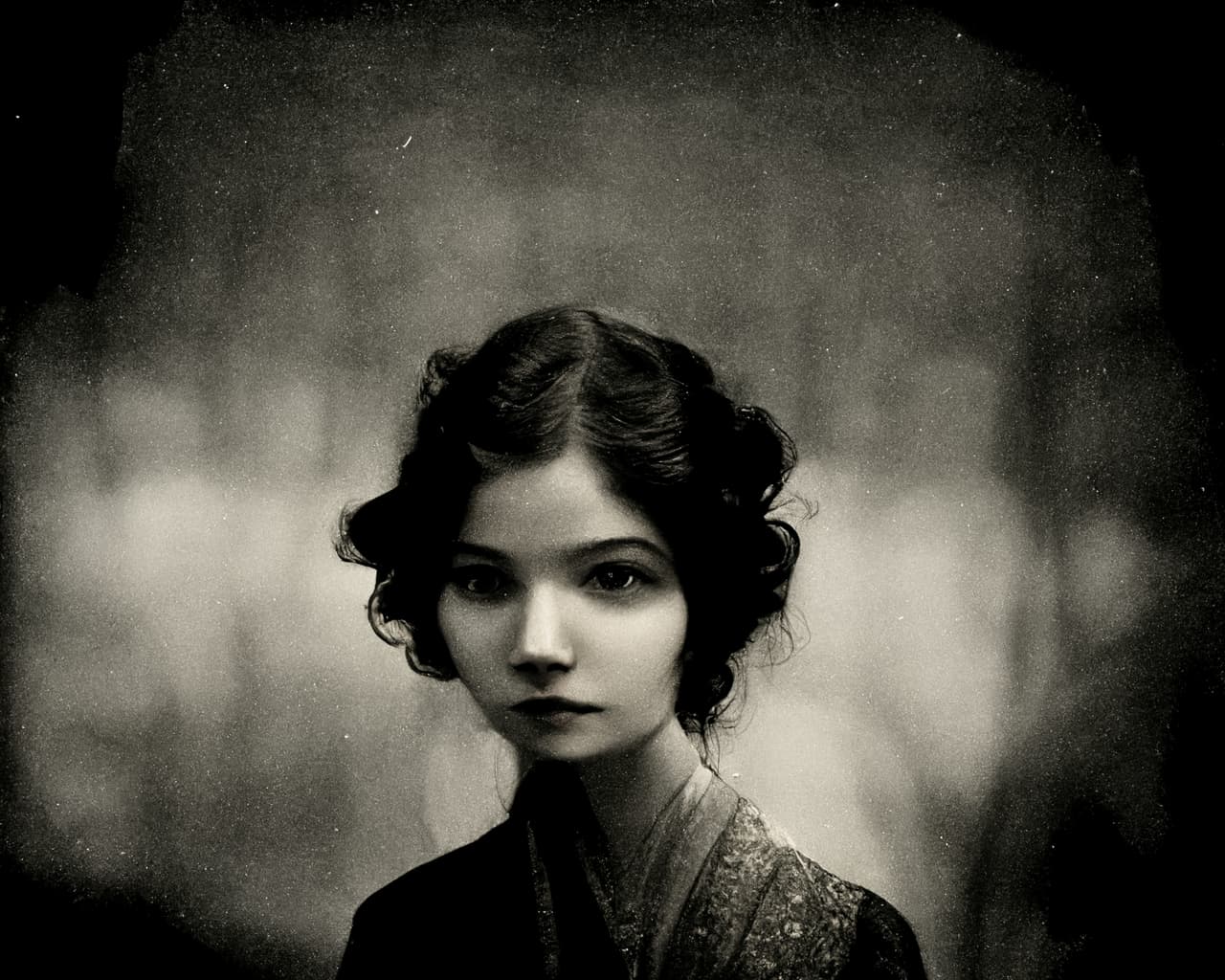
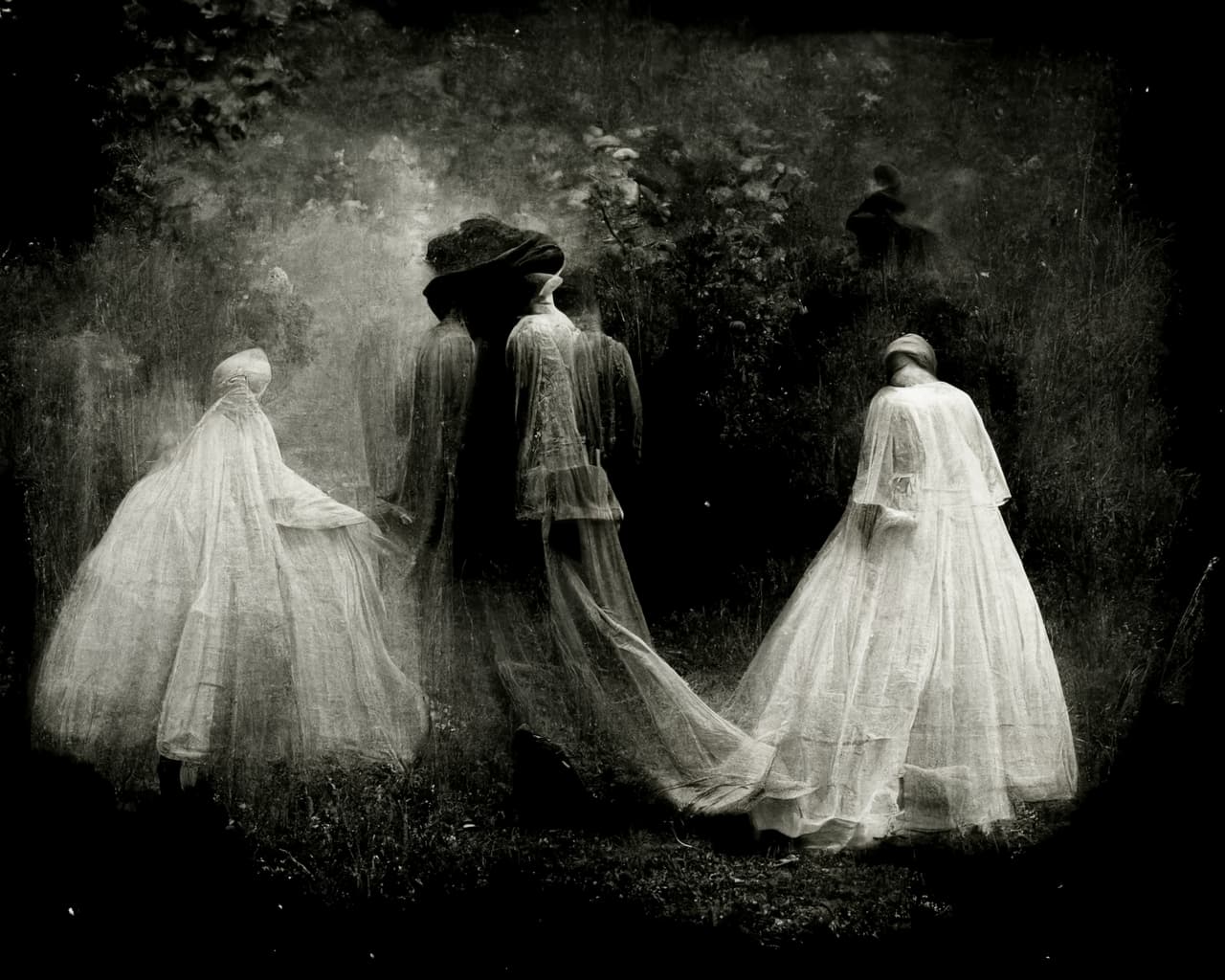
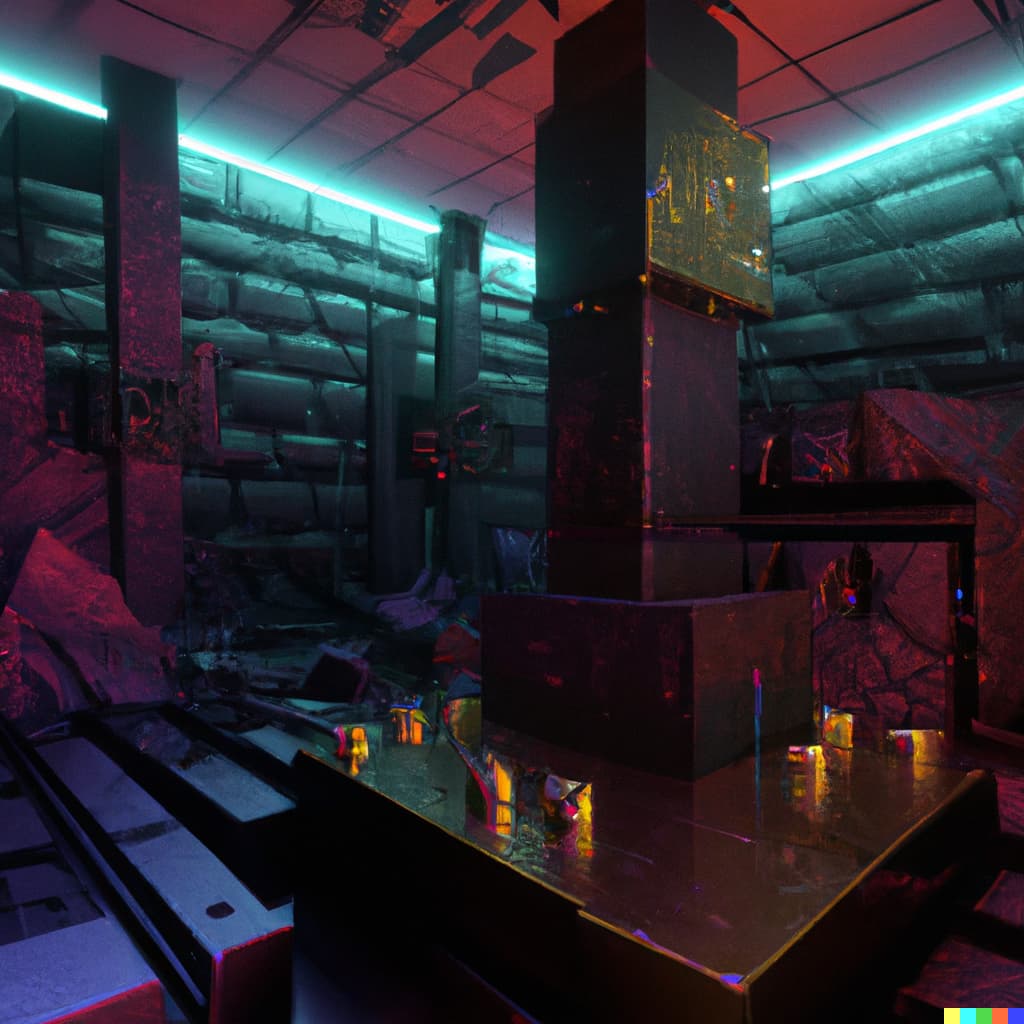
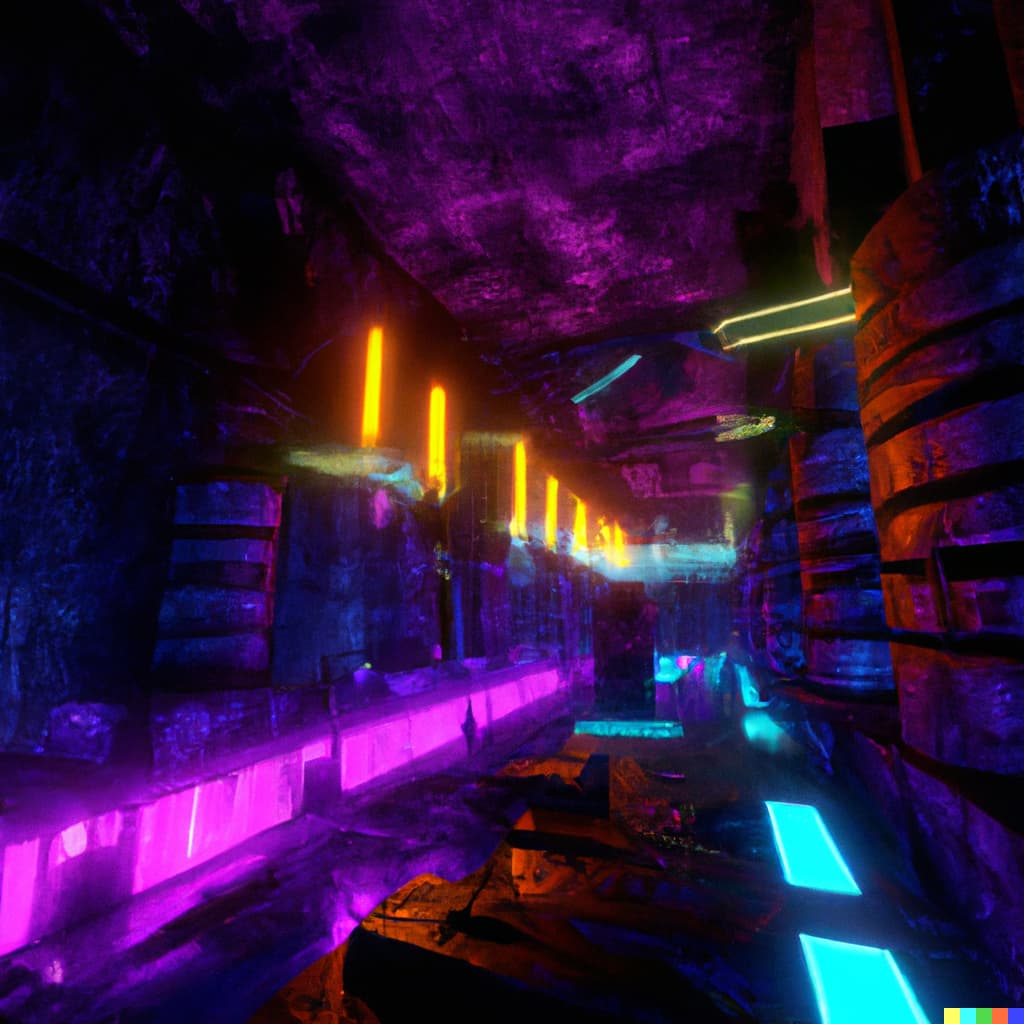
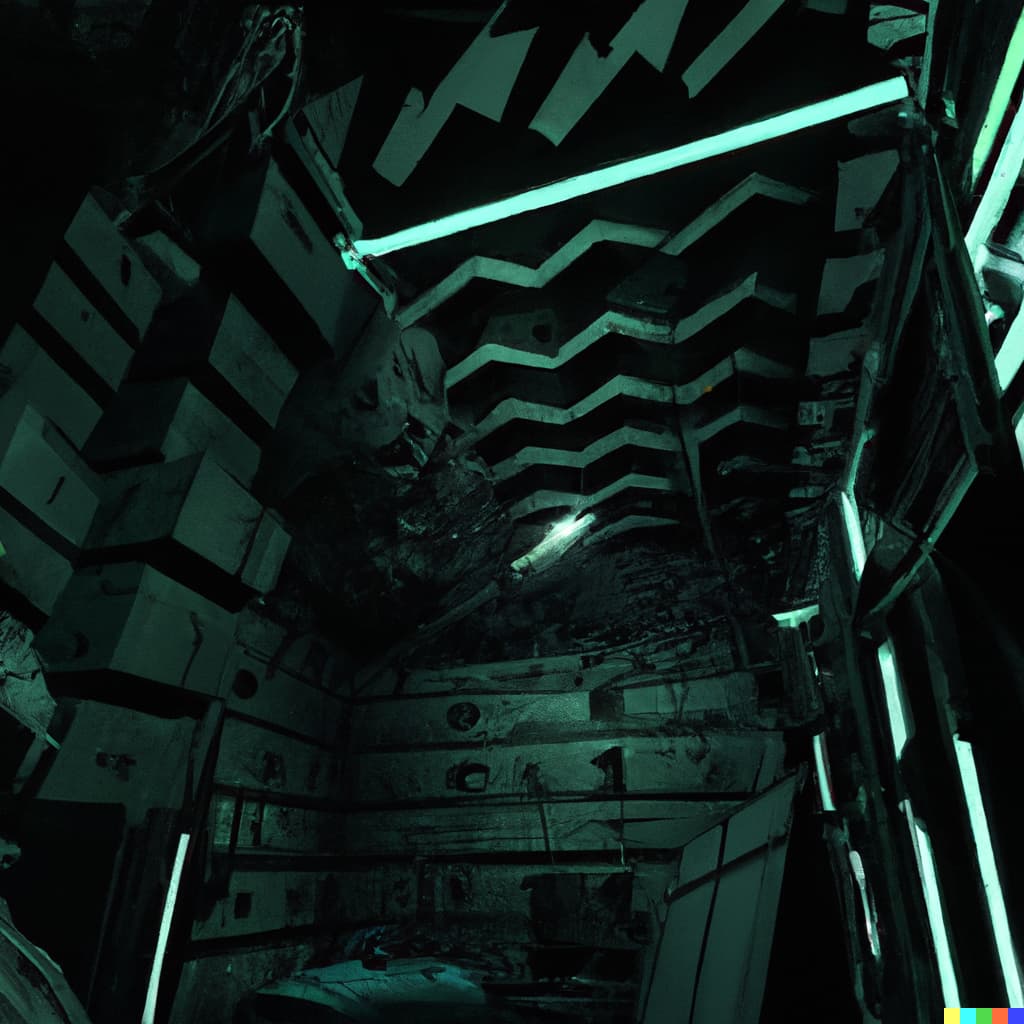
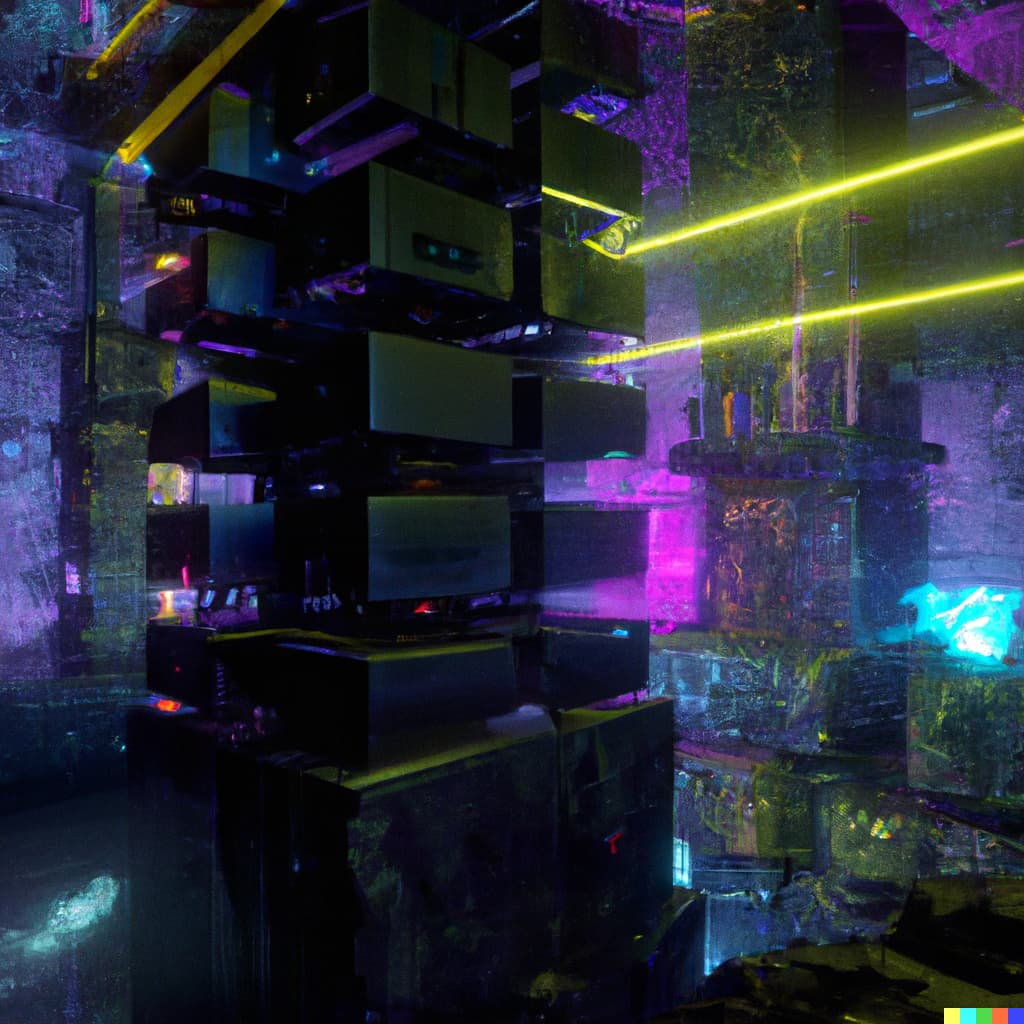
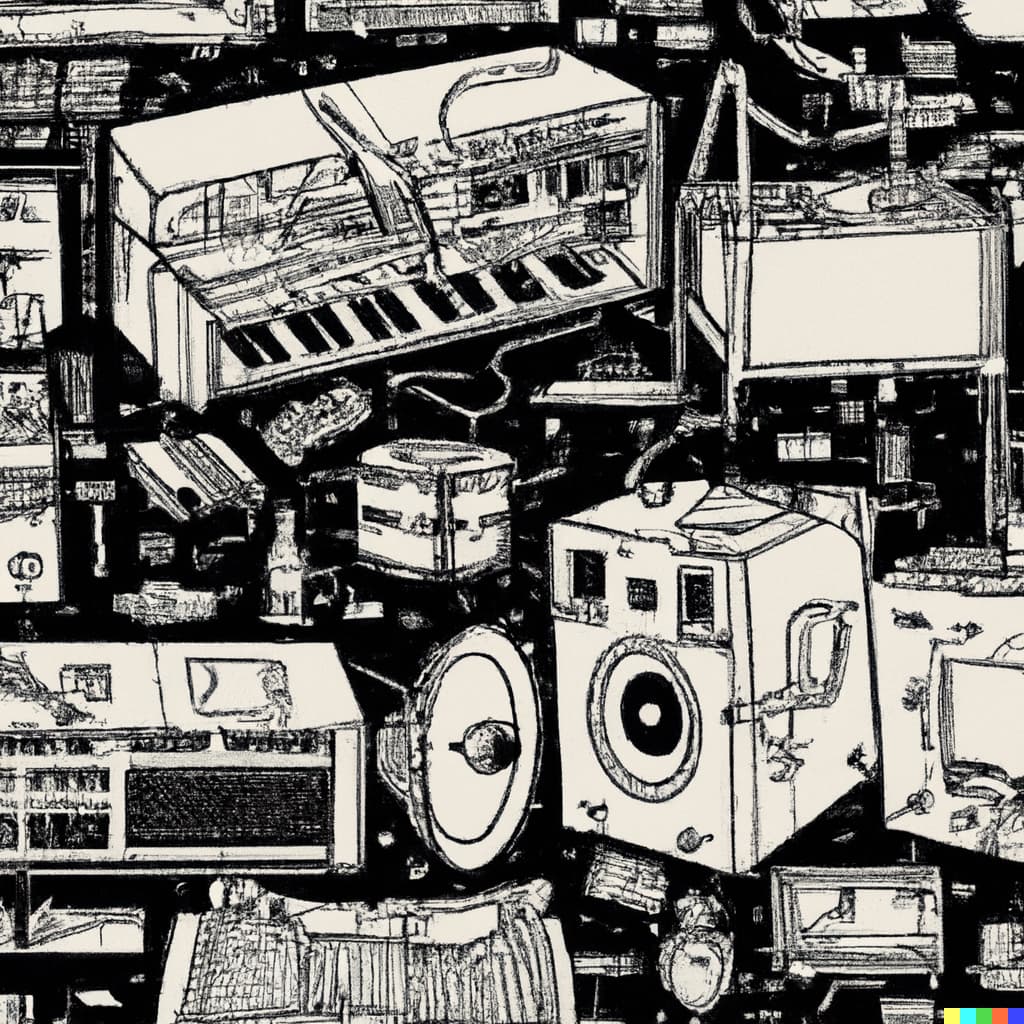
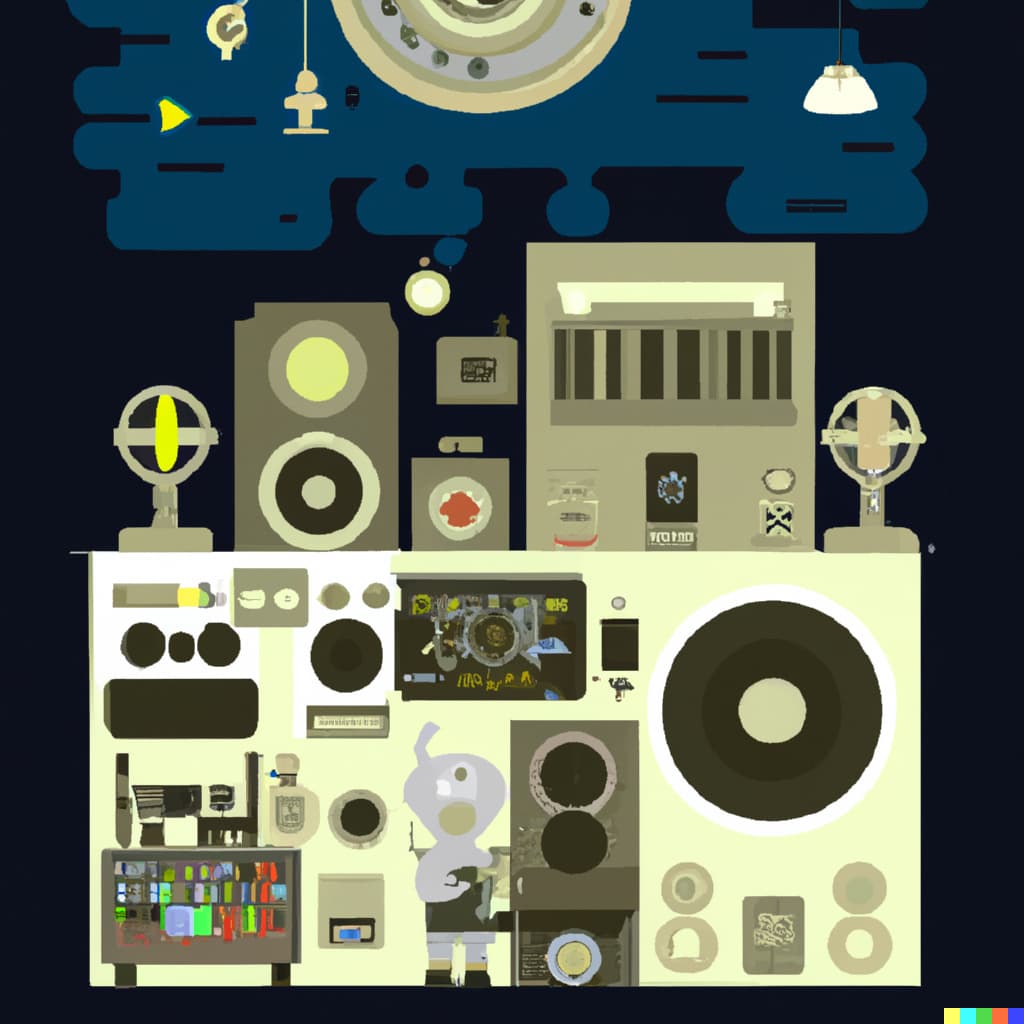
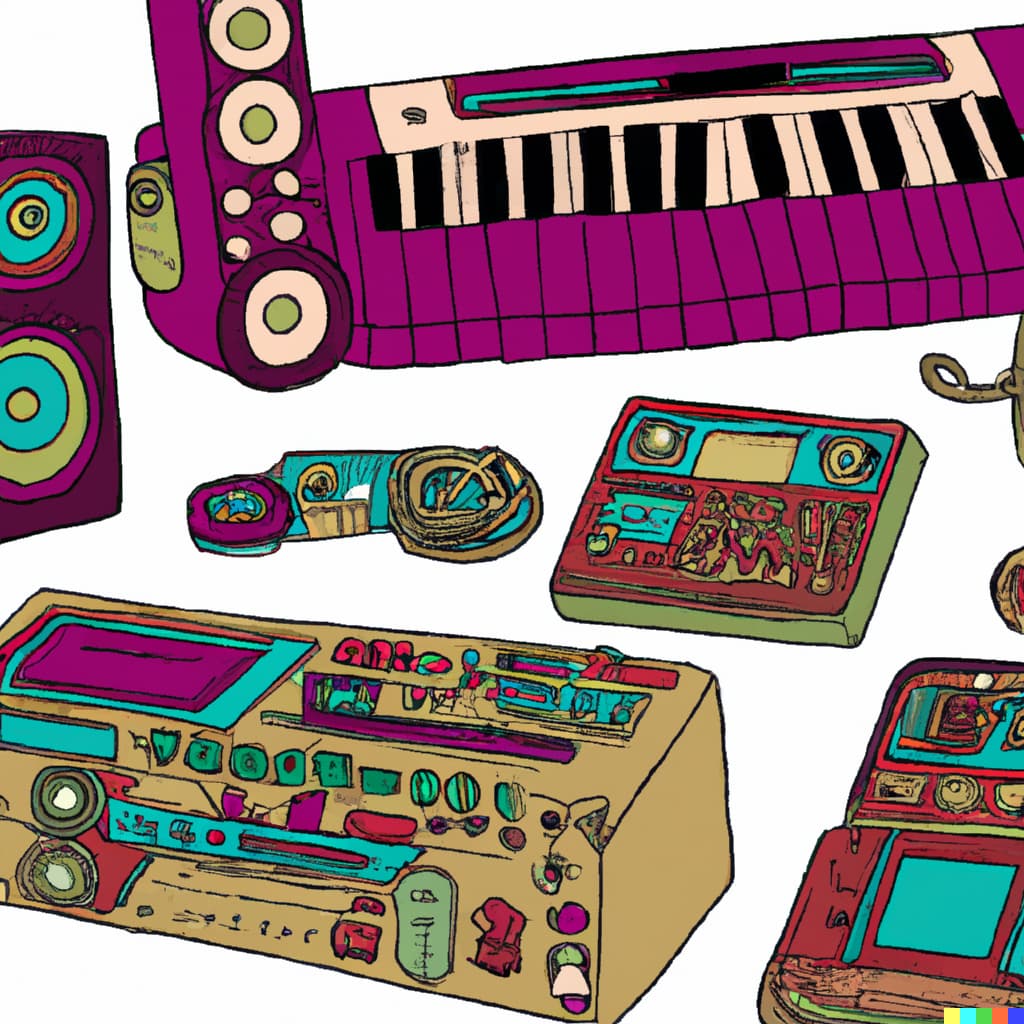
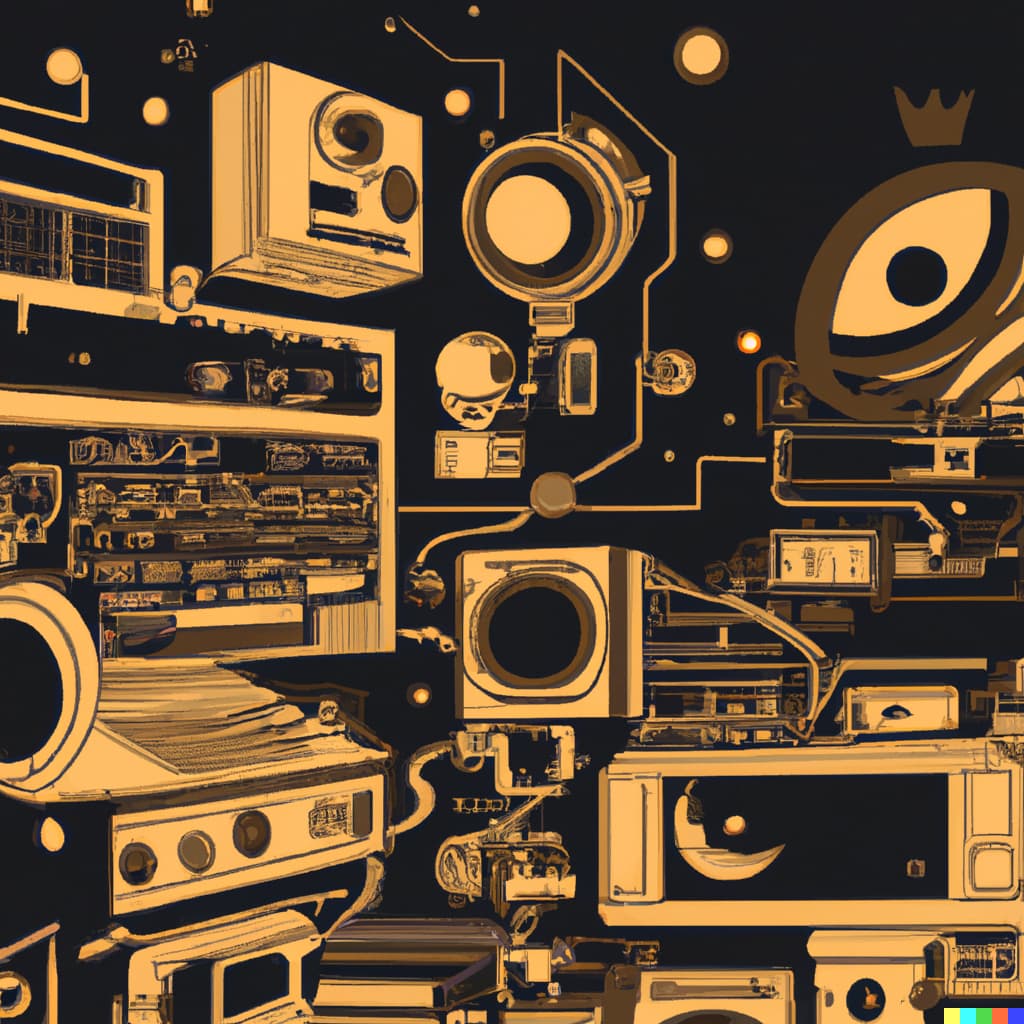
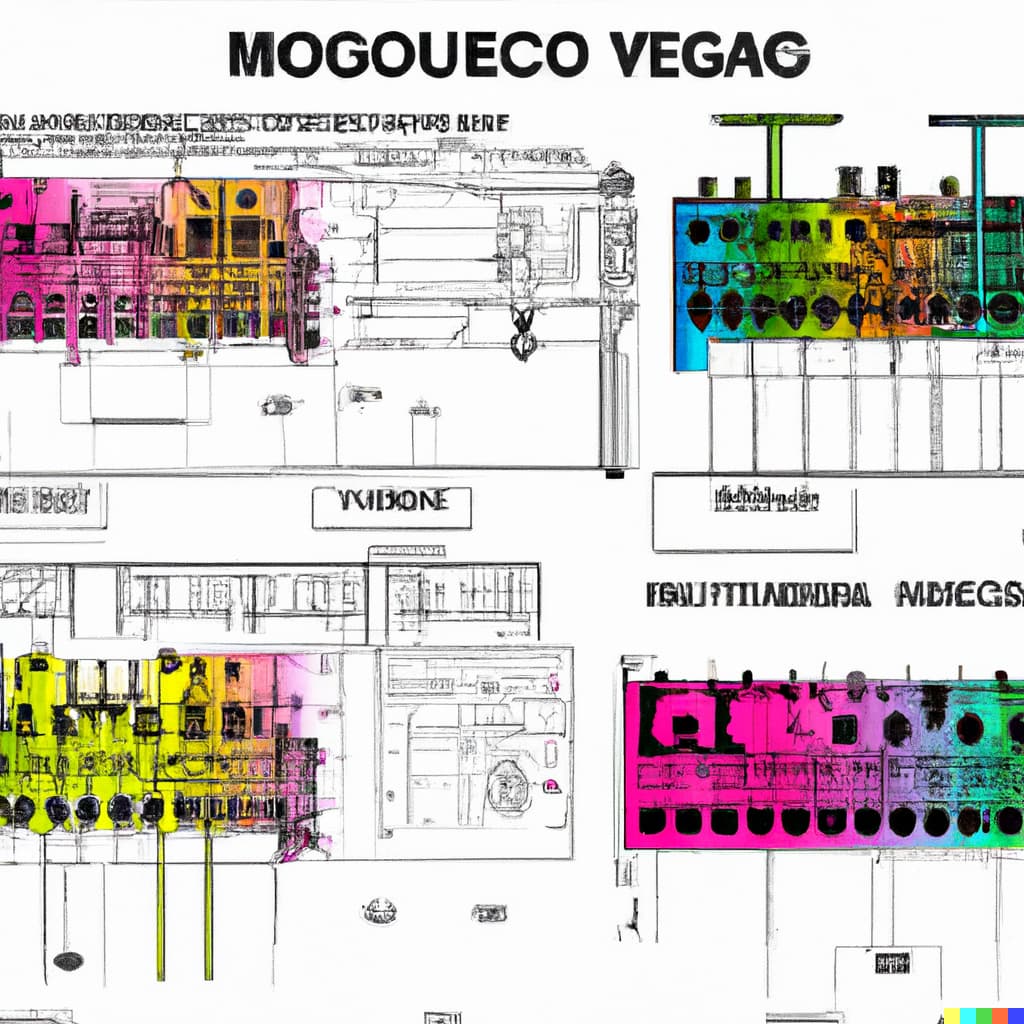
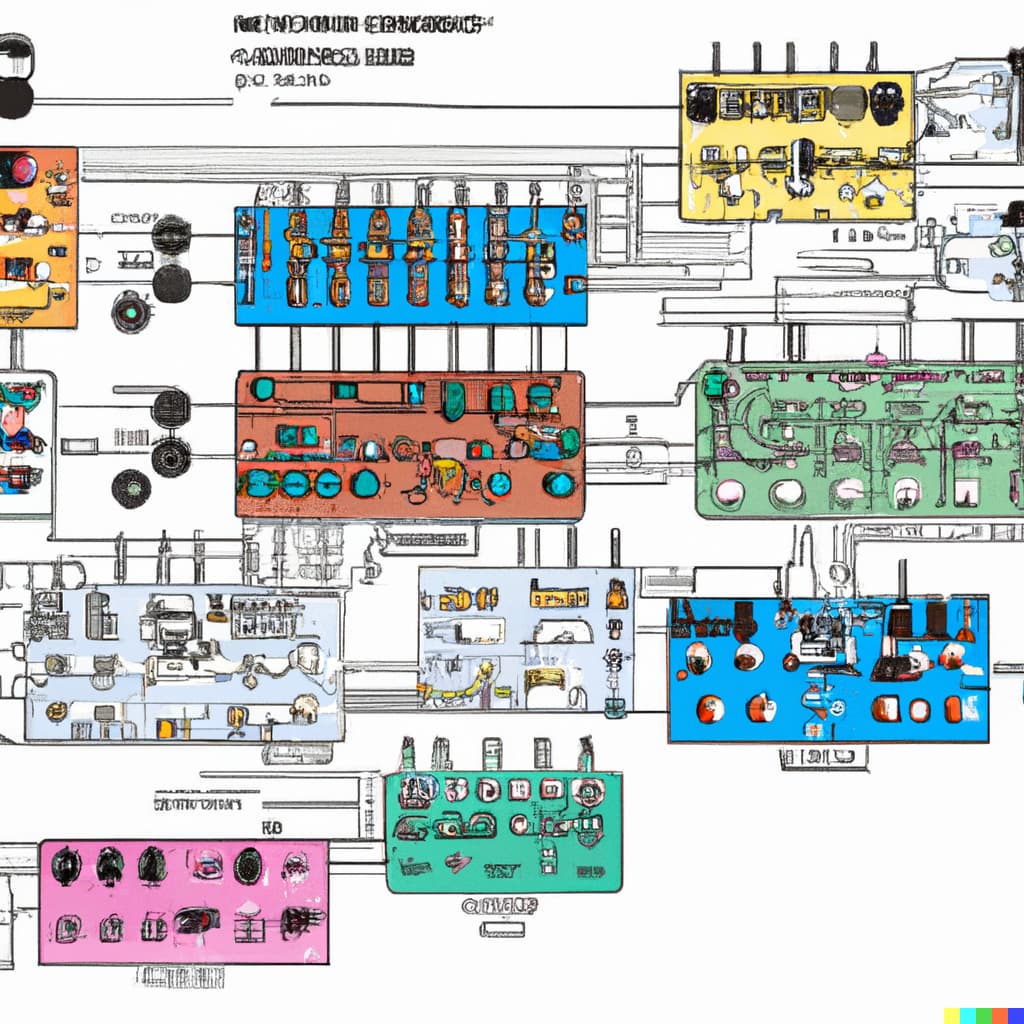
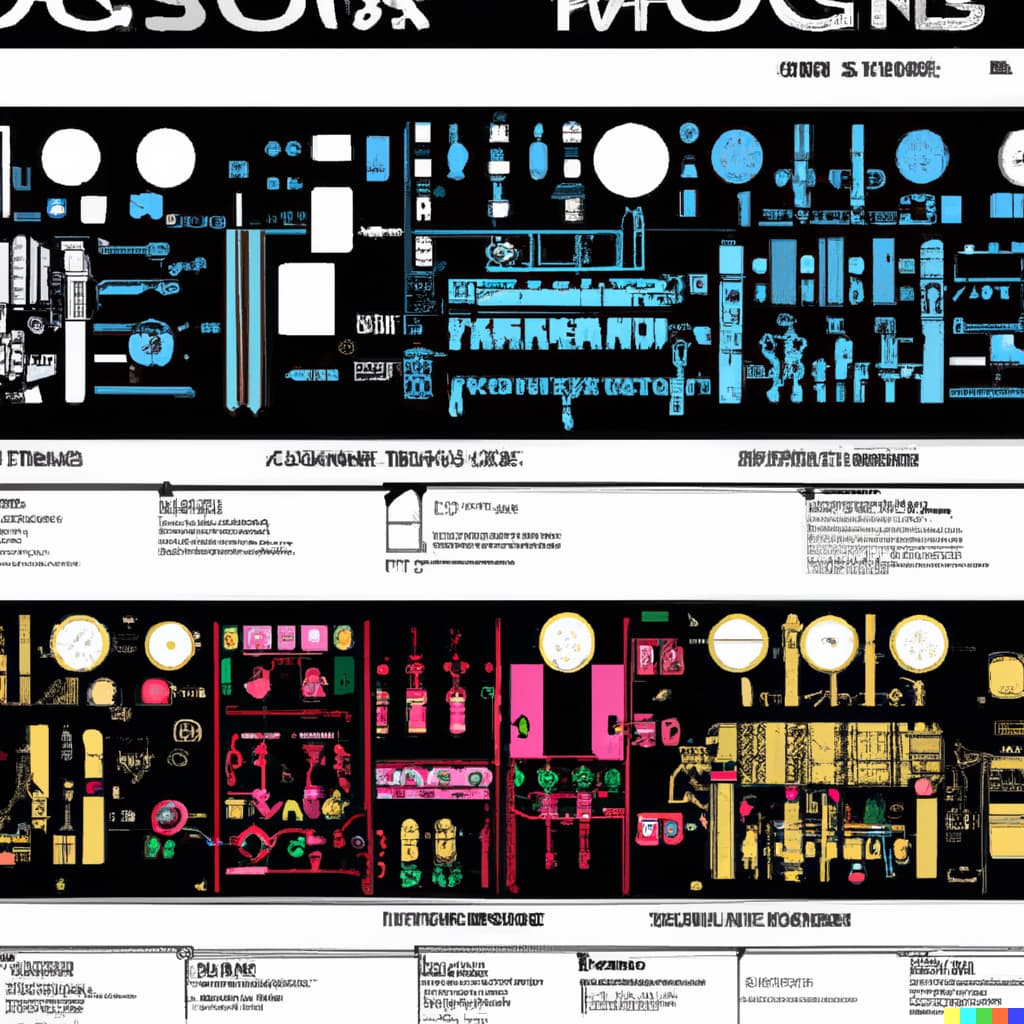
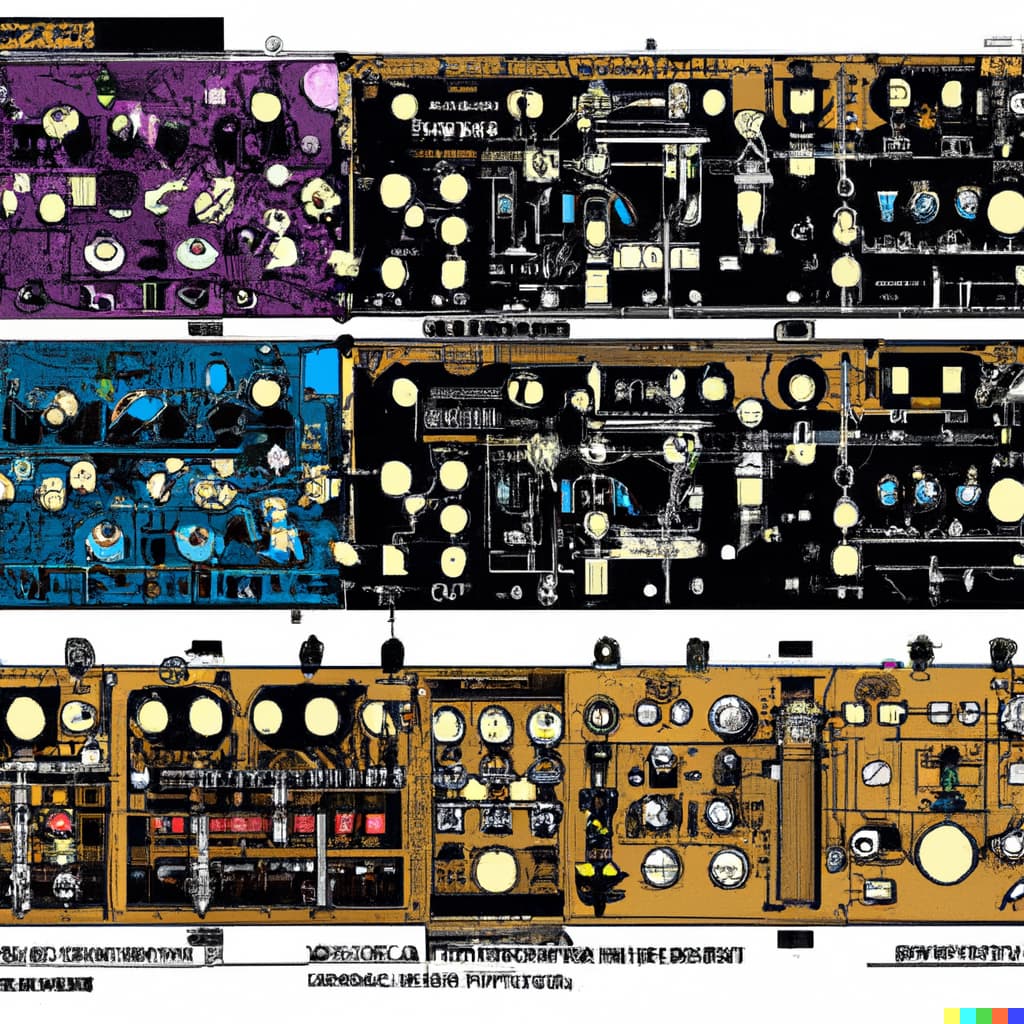
My apologies, in my defence I think I did give out a warning
I am also spending multiple hours per day on MidJourney and am loving it, the new algo and quality settings are giving me lots of options to work with. I tend to have a bunch of ideas and render out a load, then hone in on one idea and keep tweaking it until I am satisfied. Then I pump it until I get bored of the output, then on to the next idea.
One aspect I like is the uncertainty of the upscale. Sometimes you will have one of the small thumbnails that looks really promising. Then when you upscale it can either get even better, or sometimes it goes the other way and the extra detail reveals a less coherent image. Sometimes you can tweak your text prompt to steer it in a direction to correct it, sometimes a light redo can fix a few issues, but sometimes it just back to the drawing board (metaphorically!). This means that even though this is an AI making the art, there is still an artistic input from the user, for me this is no less legitimate than if the user drew the image themselves.
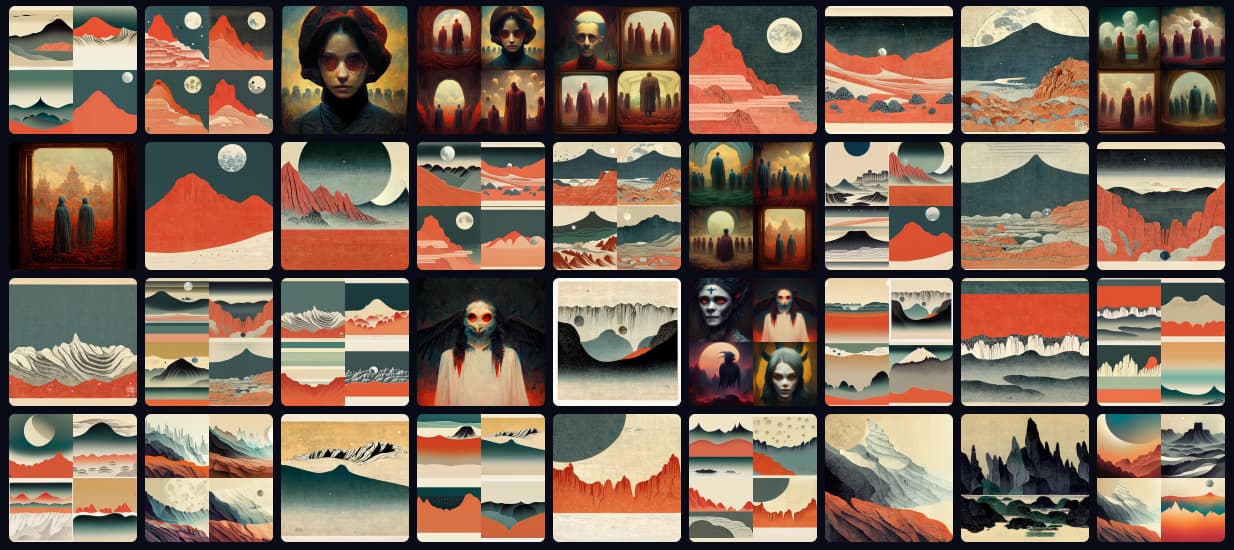
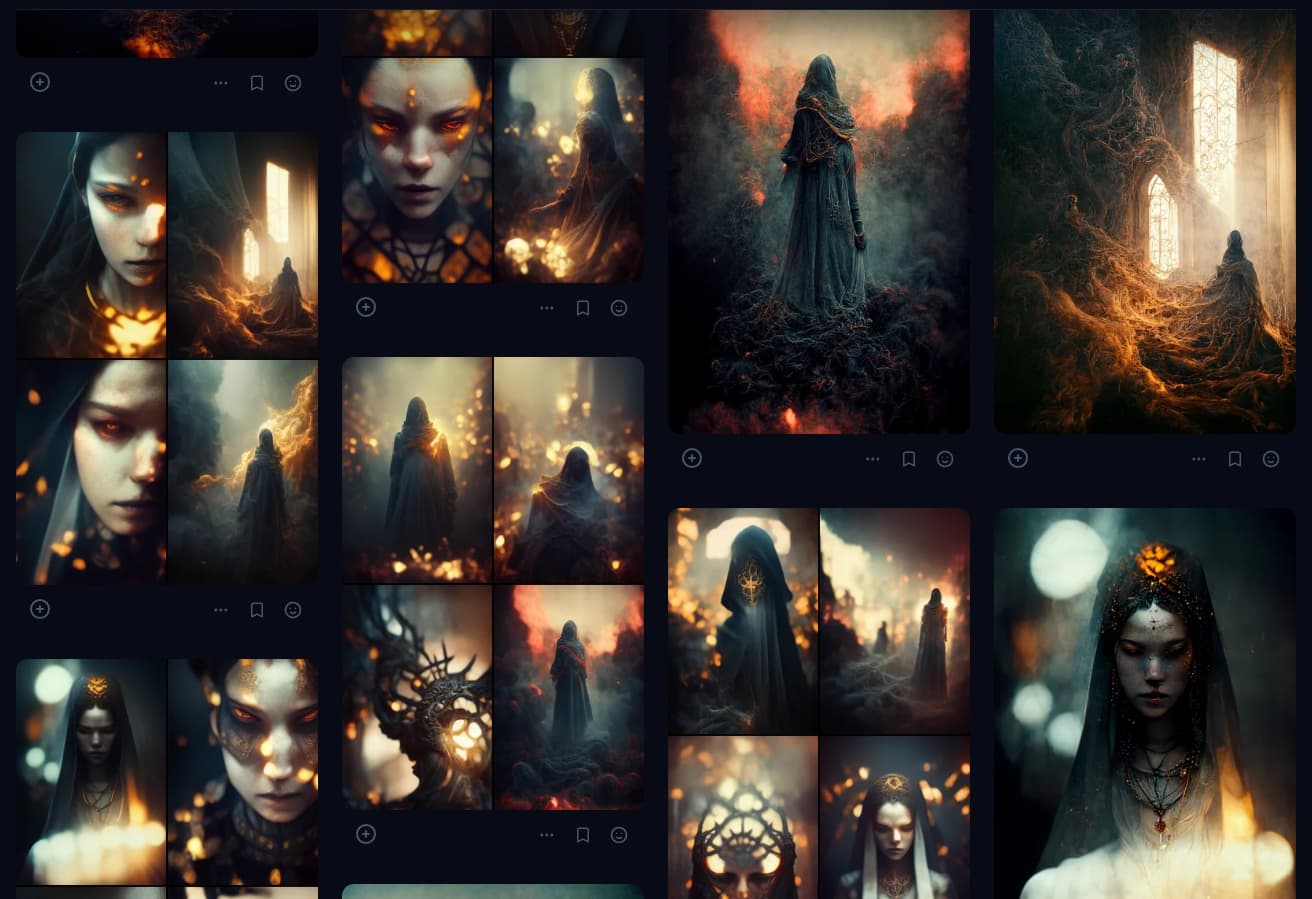
After you have been on MJ for awhile (and if you subscribe) I find its really cool to go to the archive tab on the website and see the crazy stream of weirdness…
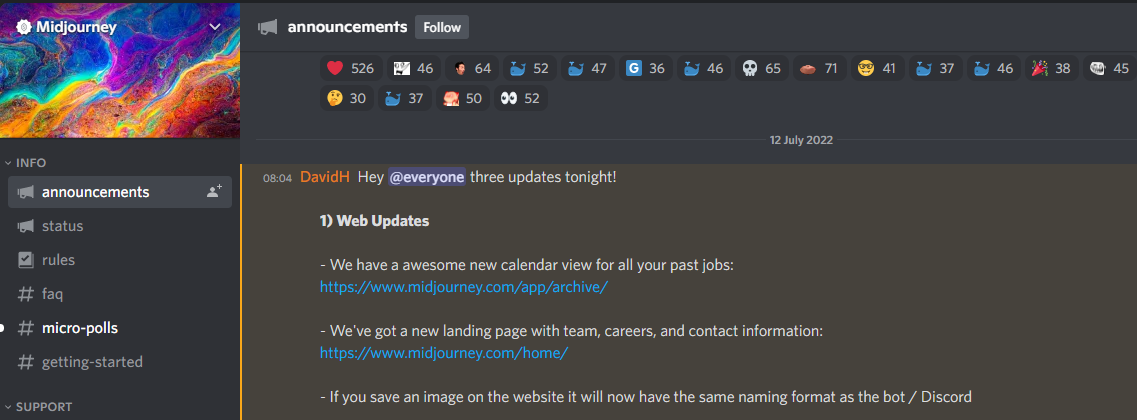
By the way, as a subscriber, I do all my MidJourneying in a DM with the bot to avoid all the noise from everyone else, but its a good idea to regularly check out the announcements and status channels in the main discord server to see what’s going on…
I tend use relaxed mode for everything except final up-scaling, with --quality 2 --ar 3:4 and sometimes tweak out with --stylize 20000
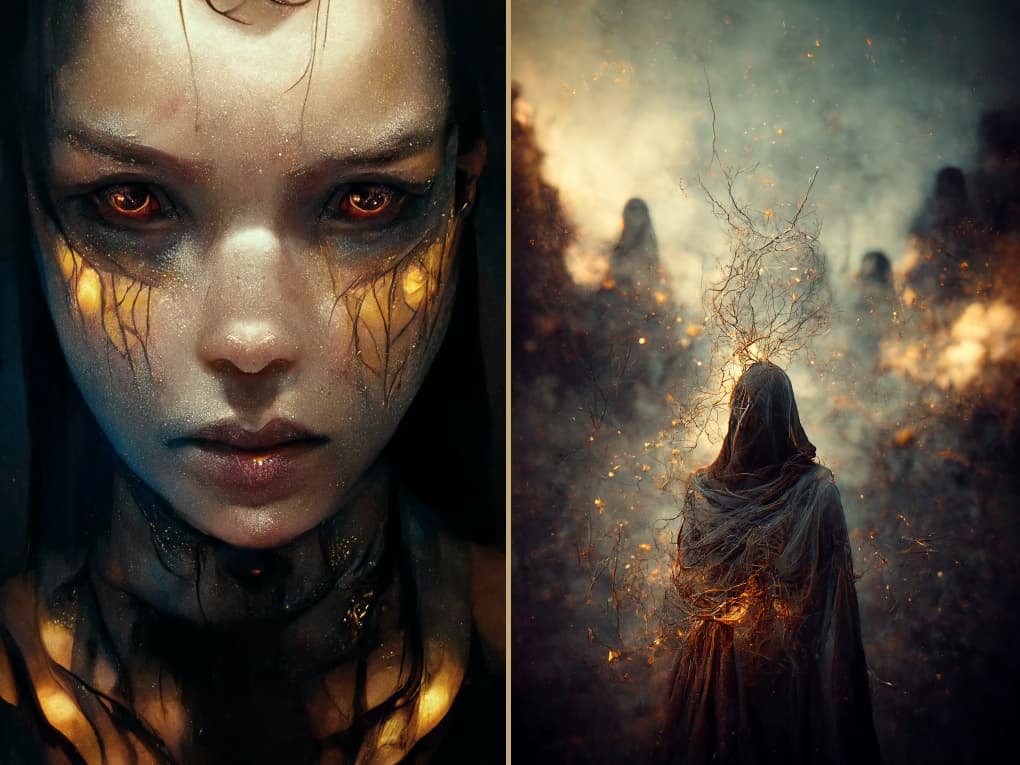
If you want really dark, dreadful stuff, try using: david fincher, Zdzisław
My favorite styles are Alphonse Mucha or Brian Froud
I’ll have to play more with image prompts. I took some of my father’s abstract artwork and generated some pieces, which I sent to him. But I haven’t tried a variety of different prompts.
This might be a dumb question, but how do you DM with the bot? I’ve whipped up a thread within the “misc-threads” category, but every once in a while I have guests who randomly hop in and share my space. I don’t mind, since it’s not very often, and I generally like people. Ha ha ha.
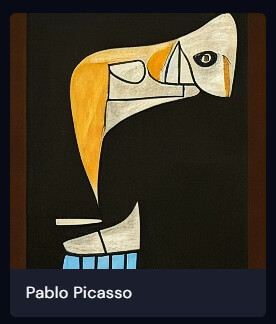
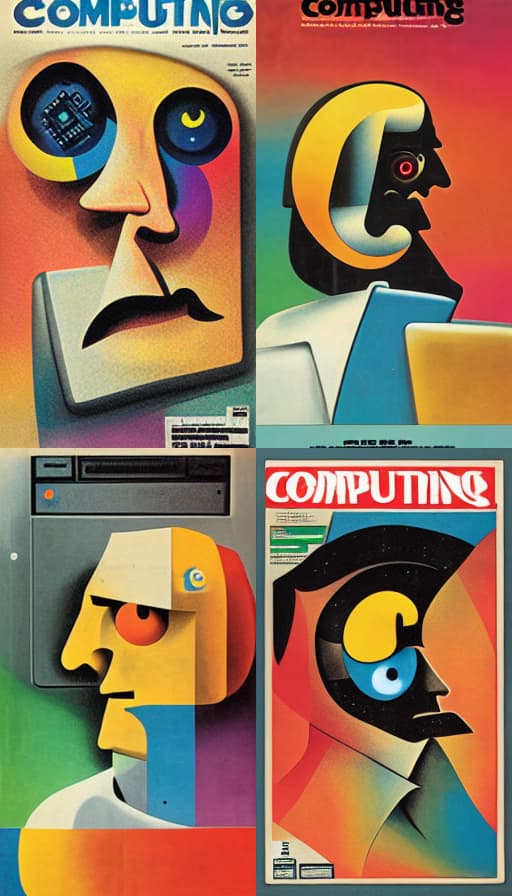
I did not use any Picasso reference or text in the prompt, so not intentionally.
However, purely speculation, but I think it is probably true to say that Picasso is one of the most famous artists and would be well represented in the MJ model, plus they have a specifically named Picasso style.
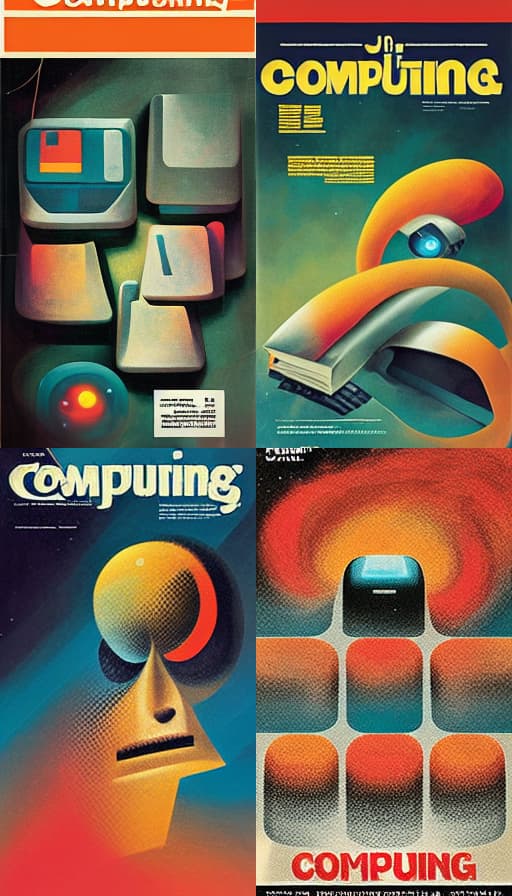
I used magazine cover as part of the prompt, which I could imagine would direct the model towards a certain aesthetic…
Just out of curiosity I reran the 2nd image above and added pablo picasso to the prompt:
I meant it’s developmeant was paid for out of the budget for one of his films, maybe True Lies? That was my memory, i just didn’t get it across well enough.
Anyway, Natron is free software and some people around here use it. Maybe it’s okay?
Re: is Nuke worth it? Absolutely. It’s the industry standard and a necessity for high end VFX compositing. There’s other great compositing software and full CG or other animated projects may use other systems for comp. But pretty close to all film and television/streaming live action VFX sequences are composited in Nuke nowadays. I use Nuke almost all day, almost every day. Love it! But I don’t have to pay for the license. The studios I work for do.
I use Nuke non-commercial for personal projects. It has a few limitations compared to commercial that are no big deal to me. Otherwise, non-commercial is full featured Nuke and is fine for what I’m doing after working hours, like polishing machine learning renders.
Blender has the only other compositor that I’d recommend. There are many reasons Blender is amazing and powerful software so I won’t go on about that. The integrated compositor is one of its many great features. Blender and Nuke non-commercial are the only compositing software packages I know of that are both free to use and under active development. Each is very different and has its advantages. I use both for my own projects.
Node-based compositing, even for still images, is far more powerful than layer based software like Photoshop, GIMP, After Effects, etc. Node based comp can have a steep learning curve, but it might feel right at home for people who already understand the modular synth workflow/programming. There are a lot of similarities. It was my understanding of node-based compositing that attracted me to VCV Rack.
If you really want to make those ML images shine, learn how to tweak them with node based compositing. Machine learning techniques are cool with a lot of potential. But the fact is, when the machine learning department’s renders come off the farm, they still need a lot of love from your friendly neighborhood compositing department before they can be shown on the big screen.
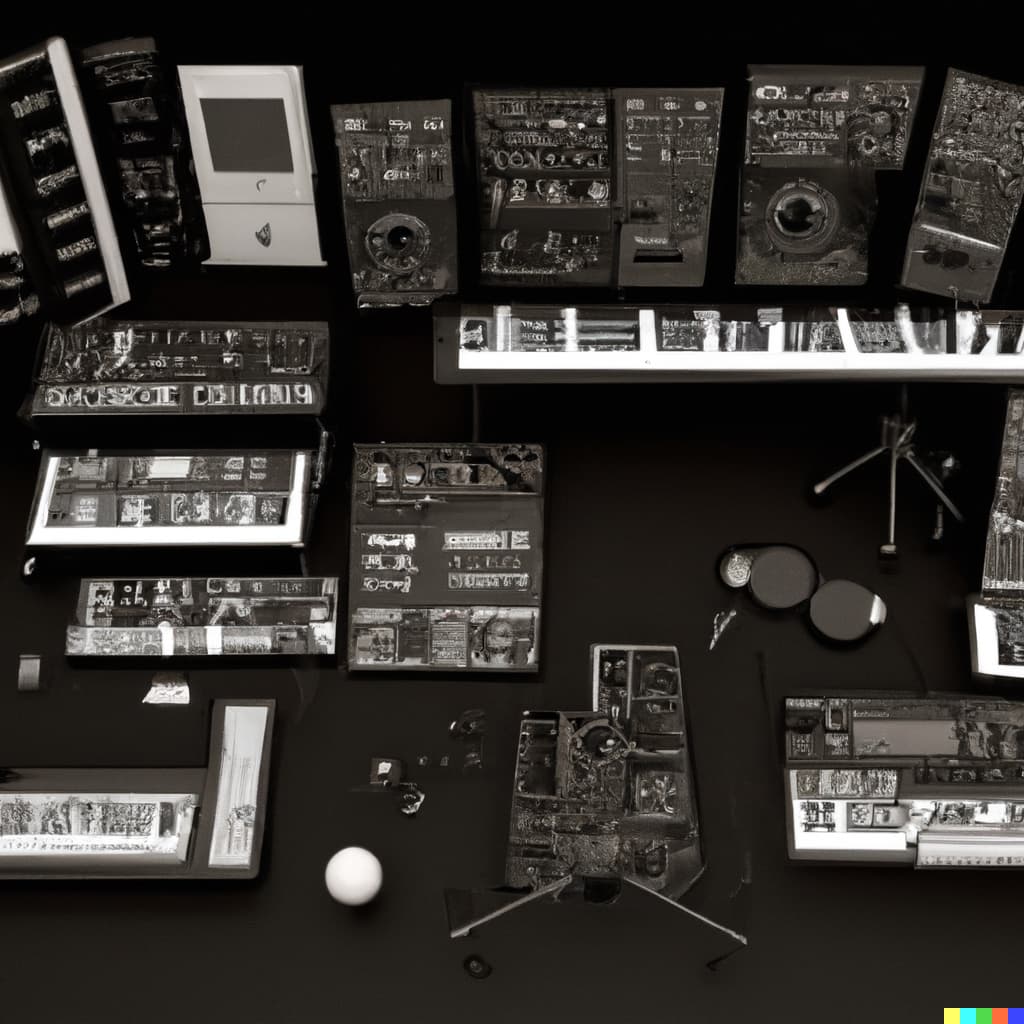
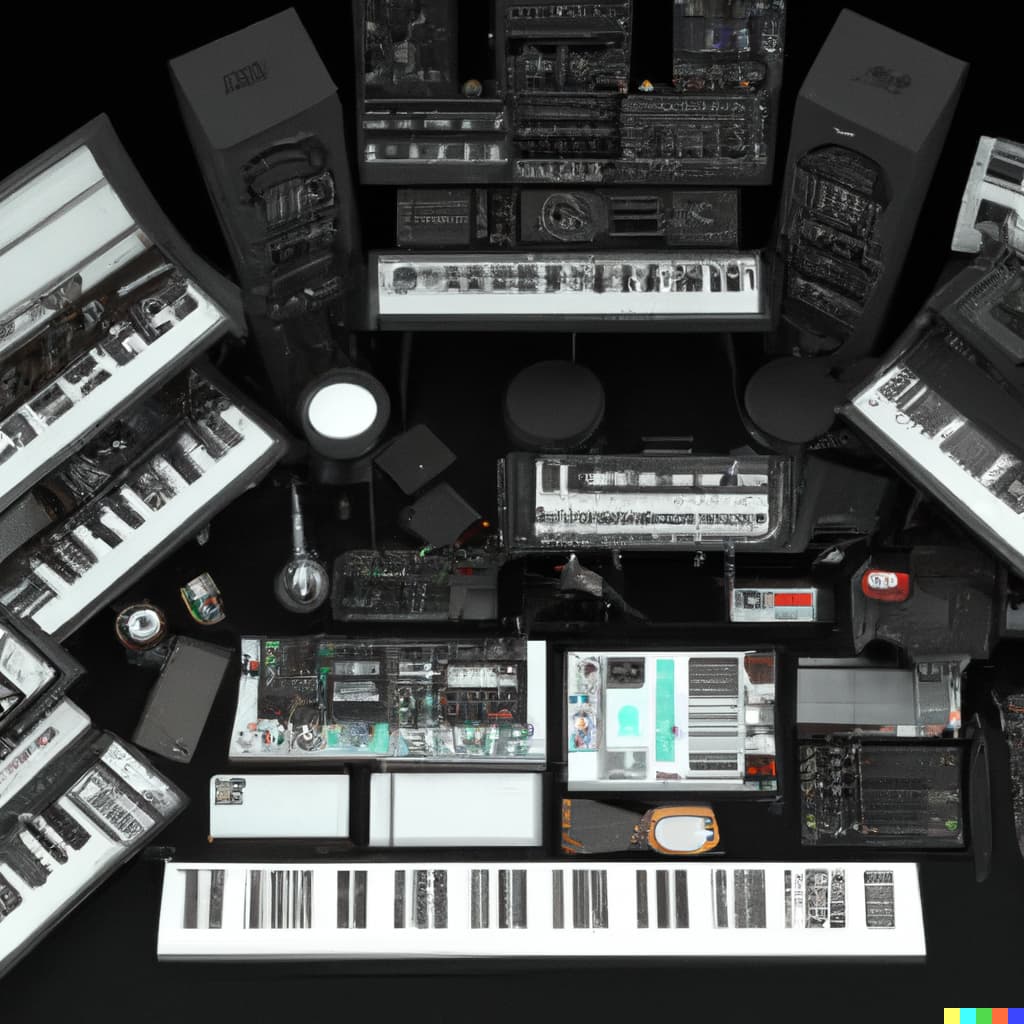
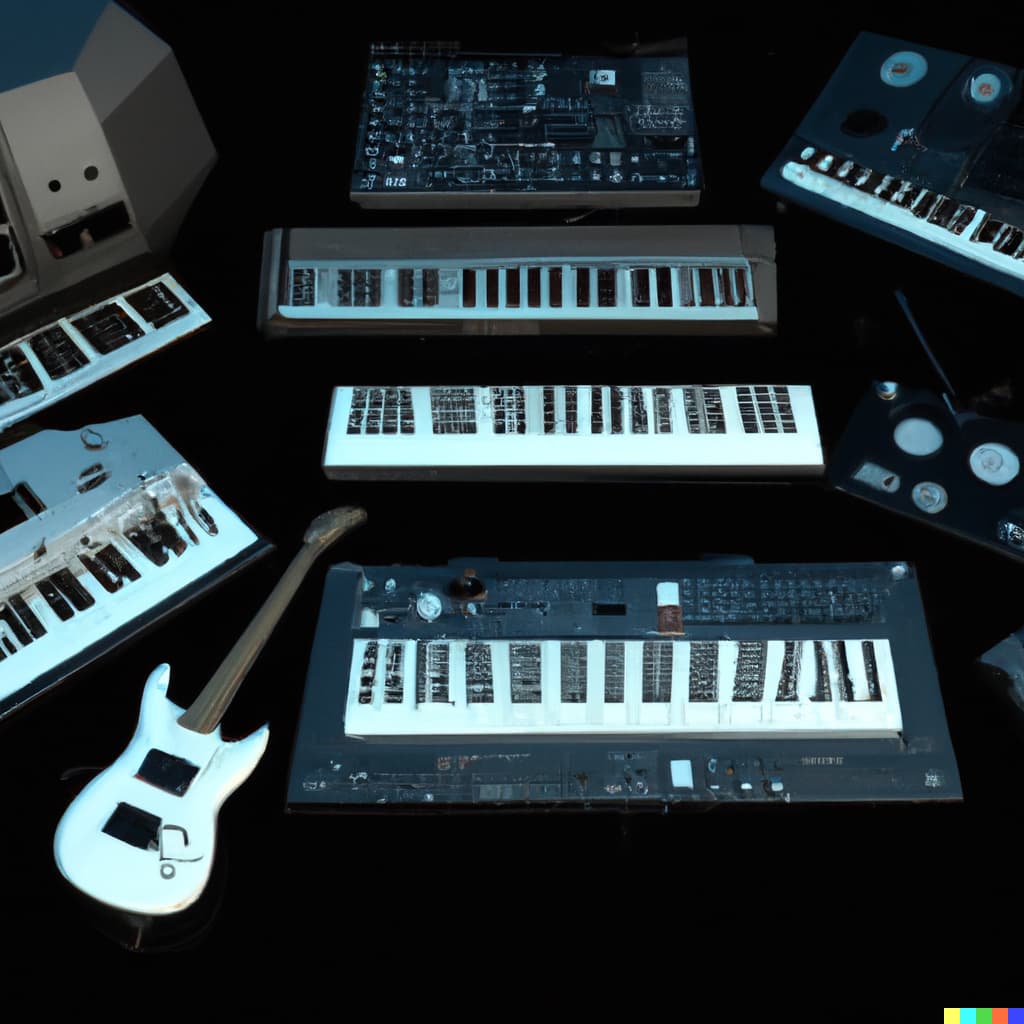
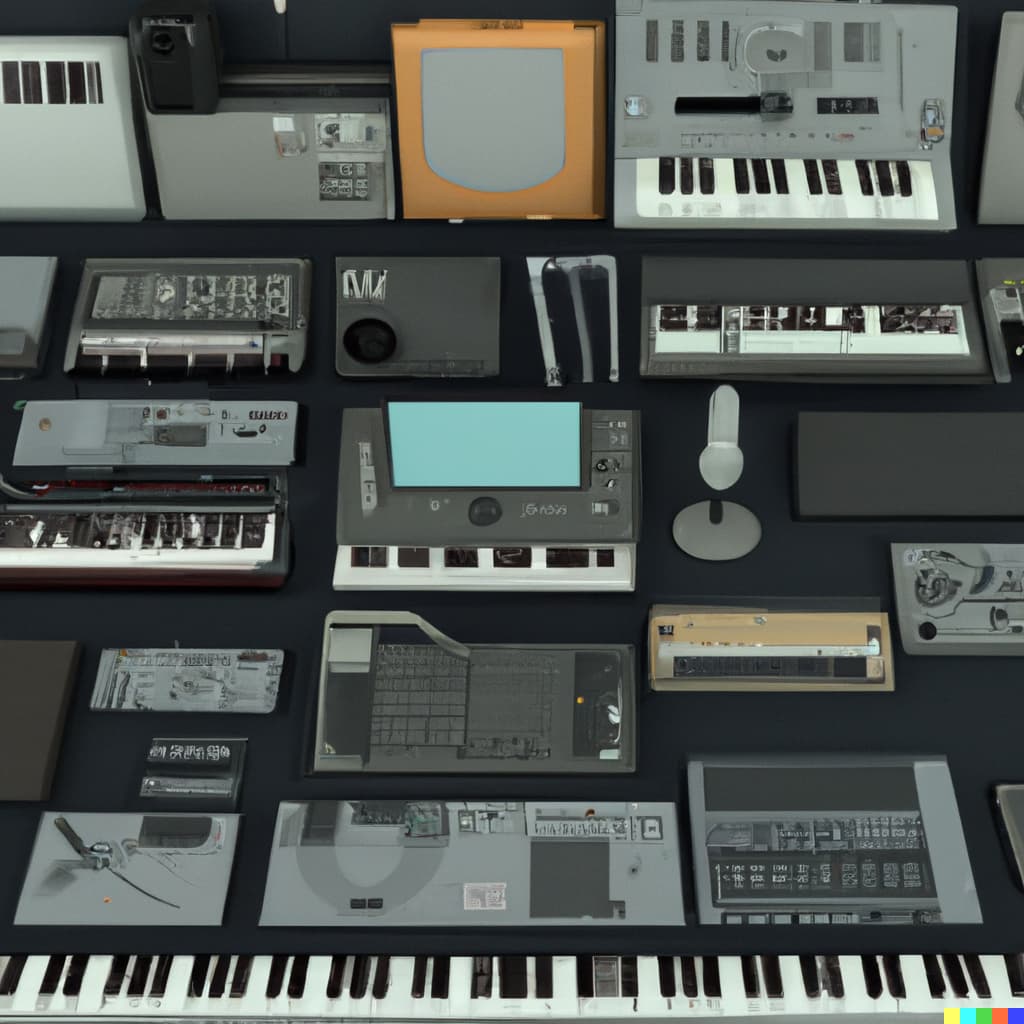
Its easy to use and is capable of good results, but compared to MidJourney, for me at least, there is no competition. It is just not as flexible and the website doesn’t work as well as the discord interface… but I did have a bit of fun:
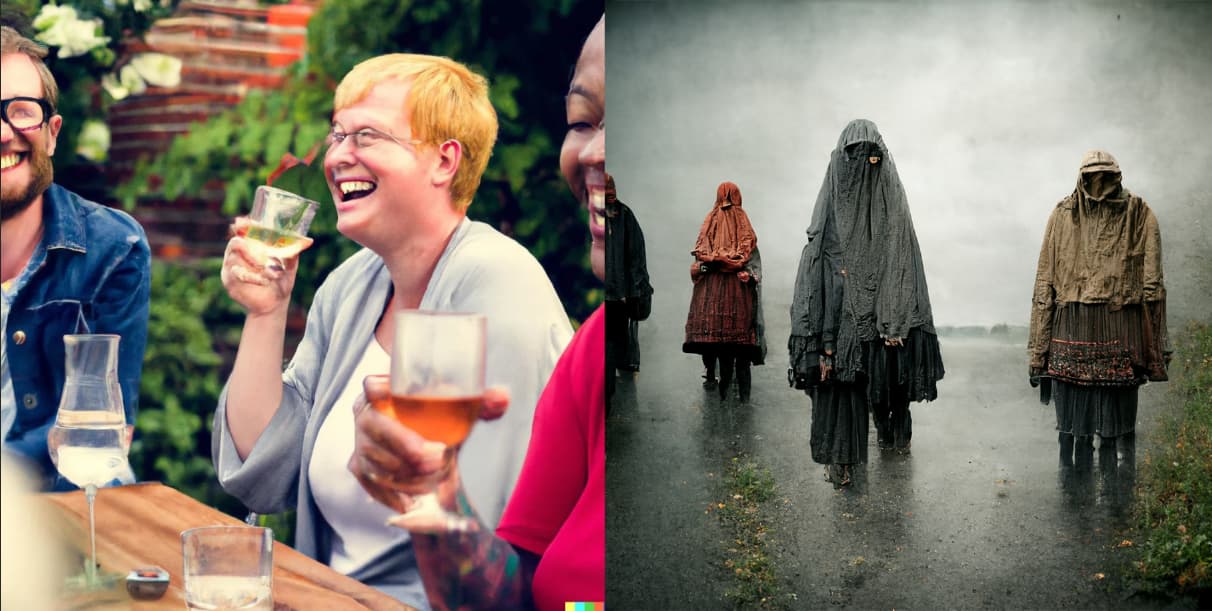
Yes, it’s like Dall-e was trained on Shutterstock, Midjourney on Artstation. I don’t know the exact prompt on the left, but these are “Danish people”, according to both engines.