I’d probably have answered “I don’t know exactly, but it approaches 1”
or for people doing Arduino programming.
Hey! I resemble that remark.
1 Like
Actually, I should imagine that for folk working on drivers or in the embedded world, that sort of thing along with some of the old-school bit twiddling hacks still is very much alive. When I started (Z80 and PDP-11 era), those things were survival skills.
sure, that’s pretty much what I meant. those things are alive, but now done by a small minority of programmers, I think.
What’s Alan Kay’s* phrase? “High priests of a low cult.”
* Actually Bob Barton’s originally.
and, full confession, that place where my co-worker asked that interview question did do a lot of kernel mode device drivers.
Reminds me of my former life as a firmware and BIOS guy.
Episode 3 of this very interesting series is here 
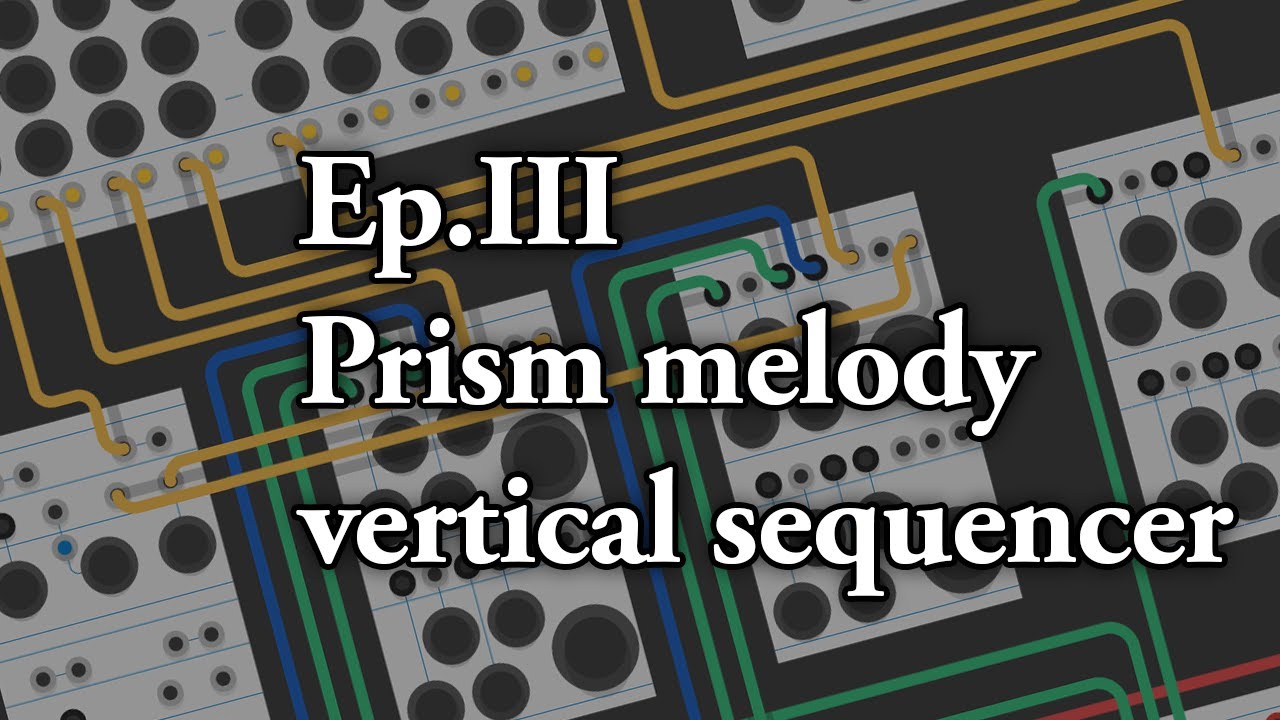
@pyer , thank You so much for sharing this interesting and well explained series.
8 Likes
Tank you! And thank for sharing on the forum, I always forget. Check the link in the description, there are the other episode but also a lot of educational content from Suzanne ciani
3 Likes
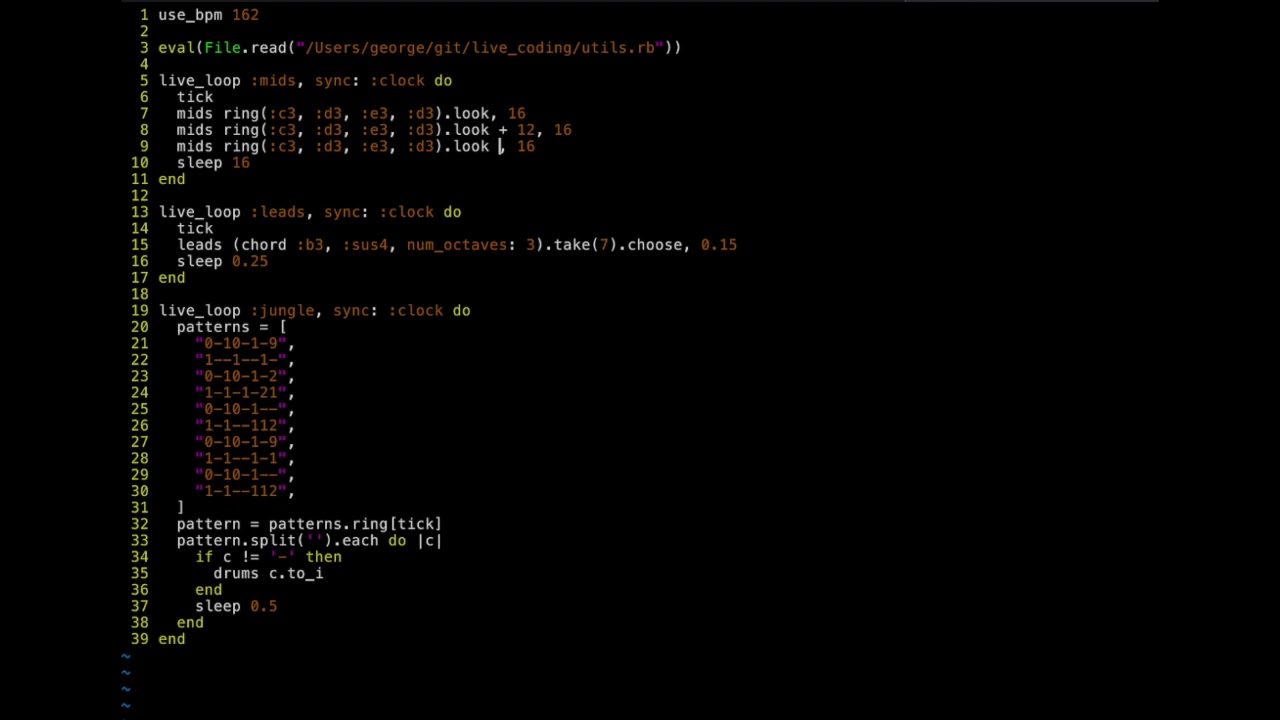
This is really fun, a way to code those crazy fast drum breaks as used in jungle and some drum and bass. Sonic Pi is pretty cool, love how it can just run in the browser. I just bought a Pi 4 and apparently it can run on that too
5 Likes
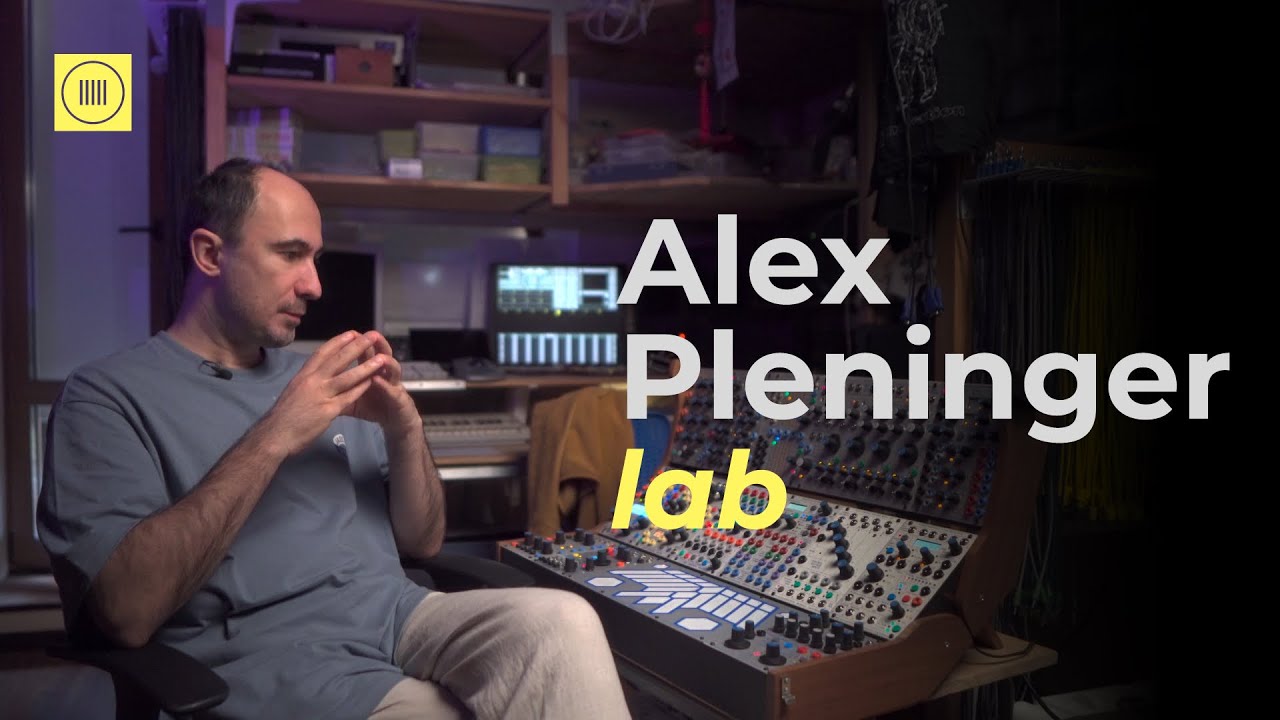
In Russian but there is subtitles in English.
3 Likes
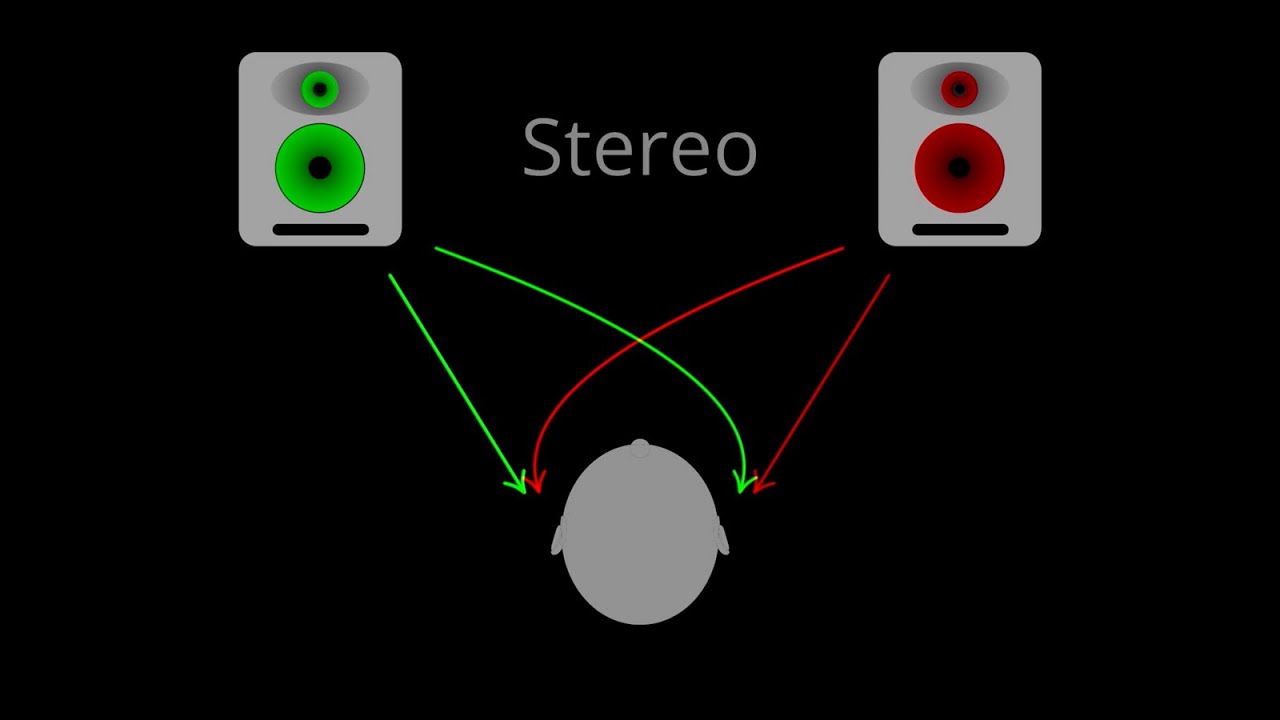
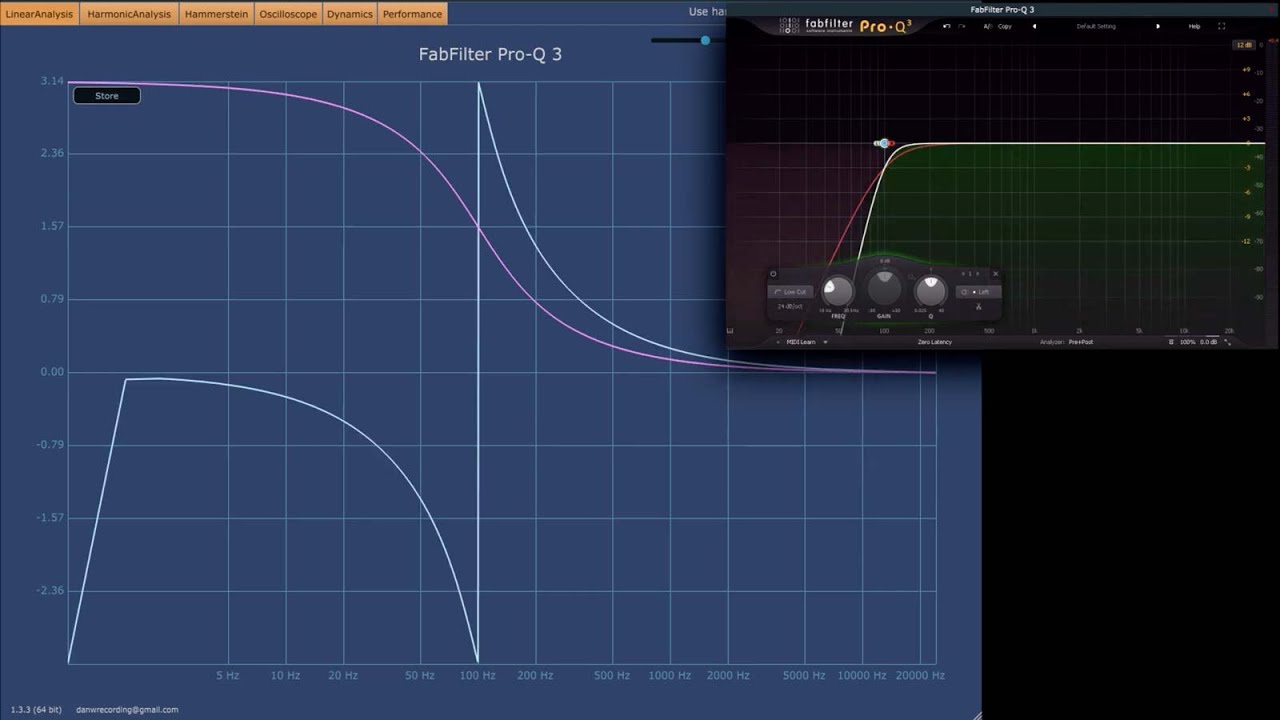
WOW! That is incredibly awesome! 
1 Like
I watch a video on programming and in parallel try to work out what I learned. A second BenQ monitor that I found here The Best Gaming Monitor Under 300 🖥️ helps me with this. It was very unusual for two monitors for the first week, but now it is very convenient, because you do not need to constantly switch 2 windows.
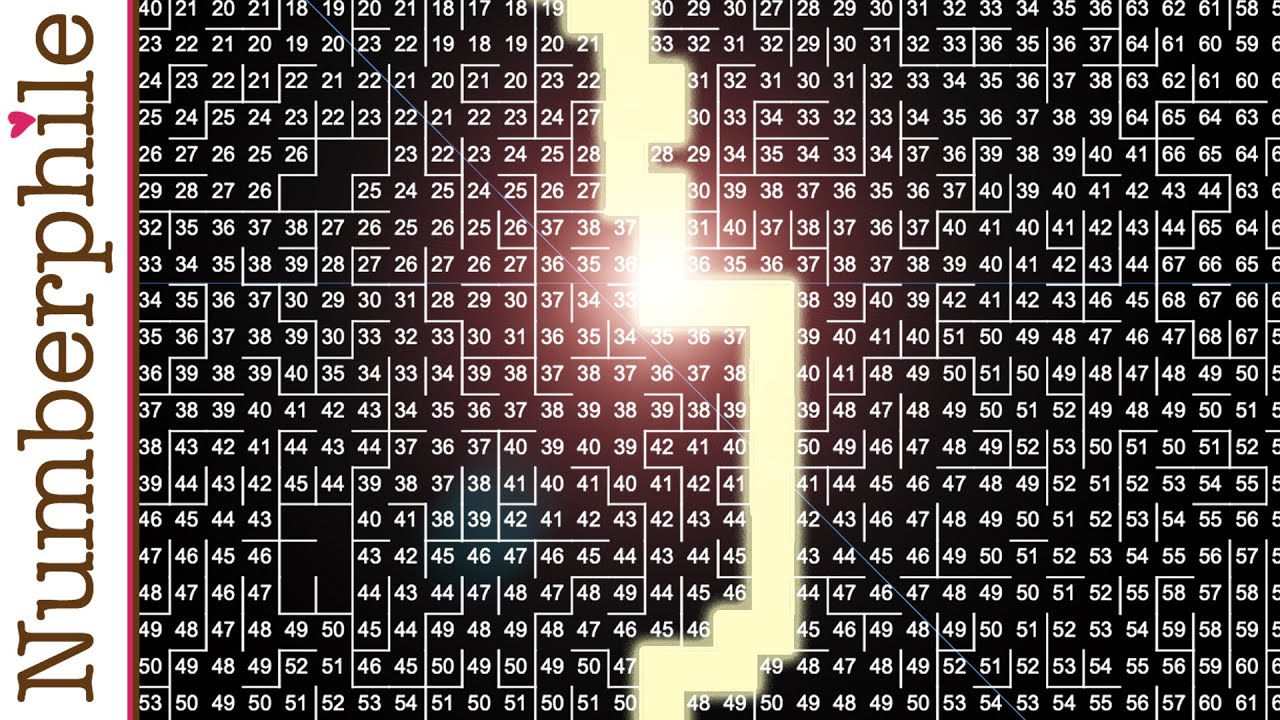
Would love a module with visuals and cv outputs of this…
1 Like
The History of Early Electronic Music and its Links to Today’s Electronic Music

4 Likes
Can’t wait for tonight’s symposium.
5 Likes
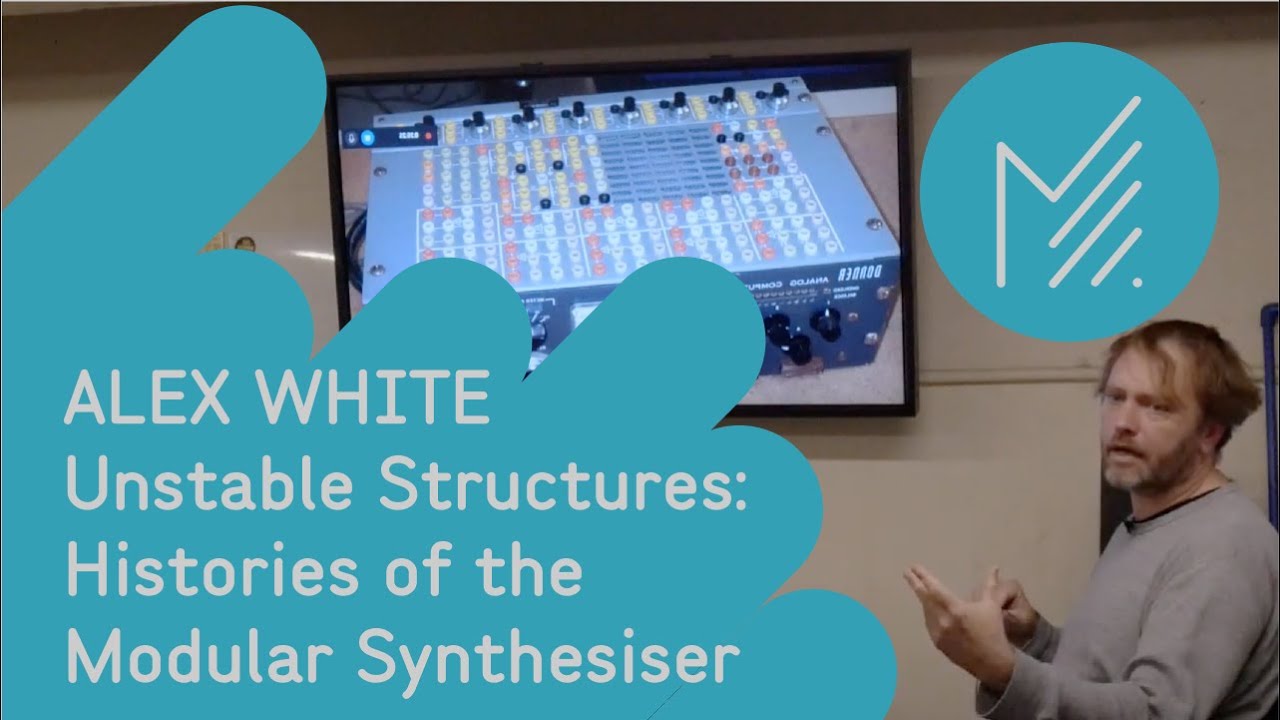
Thanks for sharing that Paul. This is actually a really interesting lecture about the history of synth technology and design. But more importantly, for me the really inspiring and thought provoking part of it, is getting into the thinking of the people behind the designs, those making them and those using them, back in the day. Like, how would you approach this starting from almost a blank page; What’s it for? How is it meant to be used? For performing or recording? Linear or totally off-grid? For traditional or totally experimental music making? Etc. etc… Highly recommended!
Yes, it’s an interesting view of how we got to where we are today. I wonder about the innovation that was being demonstrated at the time, and how - for better and worse - the mainstream focused on a small part of the bigger picture. Some of the quirky ideas survived, and others have dropped by the wayside. I wonder about what we may have missed, and what lies relatively unexplored and undiscovered. I think our hardware and software modular racks let us get a little closer to the mindset of those early pioneers. And maybe we can innovate a little ourselves. Or, at least, enrich our understanding.
P.S. On the topic of making sure history isn’t lost, I recently saw this:

1 Like