Whoa, this youtube channel seems like a hidden treasure, thanks for bringing it up!
Also, it’s funny when your favorite game designer brings up your favorite movie director in a middle of a 10 minute video 
Guess I gotta deal with Gravity’s Rainbow one day… never got past first 50 pages or so 
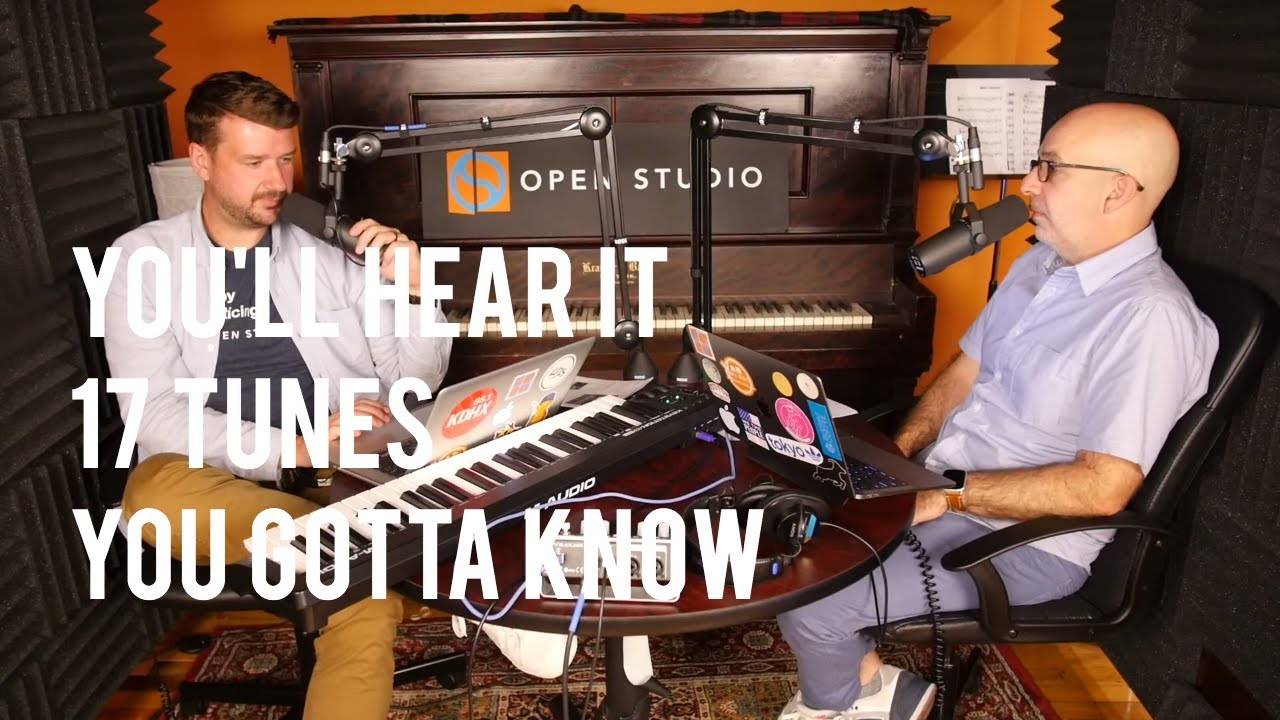
I always wanted to play piano, but I thought that I had to start with the classical way and I am really not into classical music. A week ago I stumbled upon openstudiojazz.com and that is an e-learning platform for jazz, which I absolutely love. So I took the 7 day trial and am now on a subscription. The concept is great, you have a longer lesson followed by 3-4 “guided practice” sessions. The guys are good fun and they have a perfect tempo, mixing music theory, ear training and piano practice in a good ratio. Recommended. Here is a clip from a podcast they have on youtube.
- mo
2 Likes
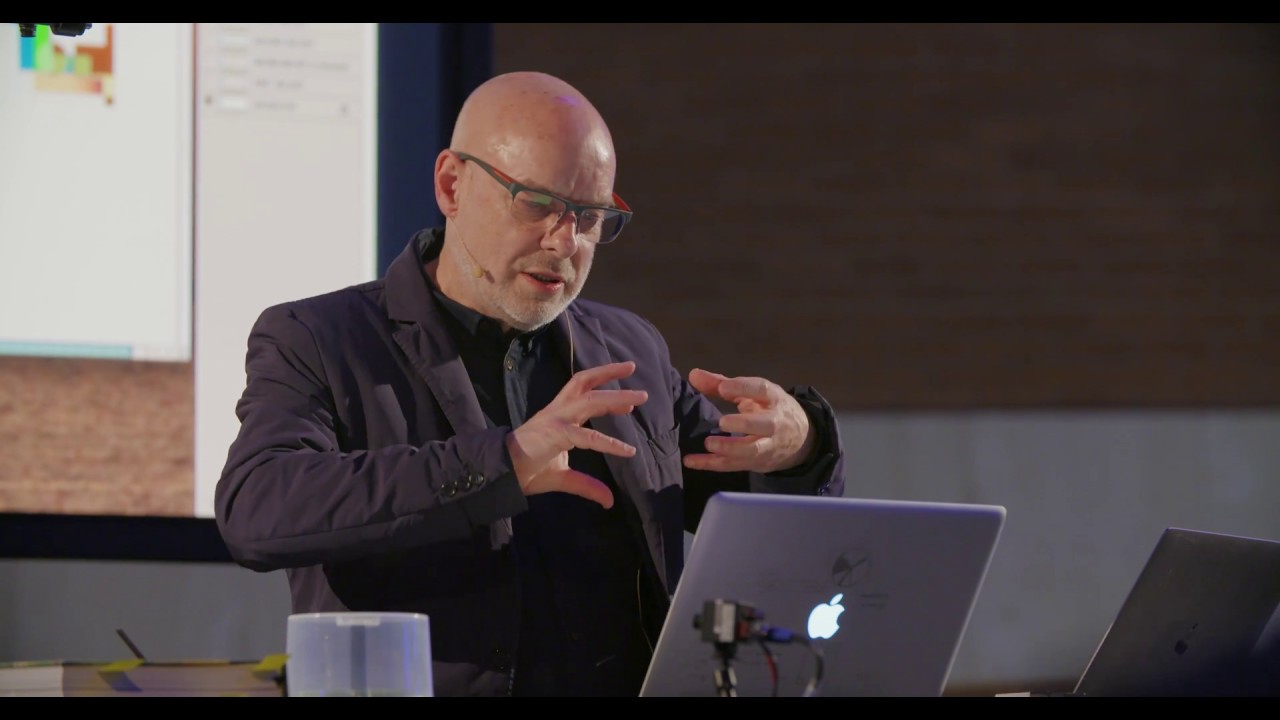
Brian Eno talks about generative music, and his art installations.
9 Likes
Absolutely fascinating to follow this speech. I like to hear what Brian Eno has to say. Thank You for sharing.
1 Like
Thanks Paul. Eno is brilliant as always, in his simplicity and minimalism. Always inspiring I find. Here’s part 2:
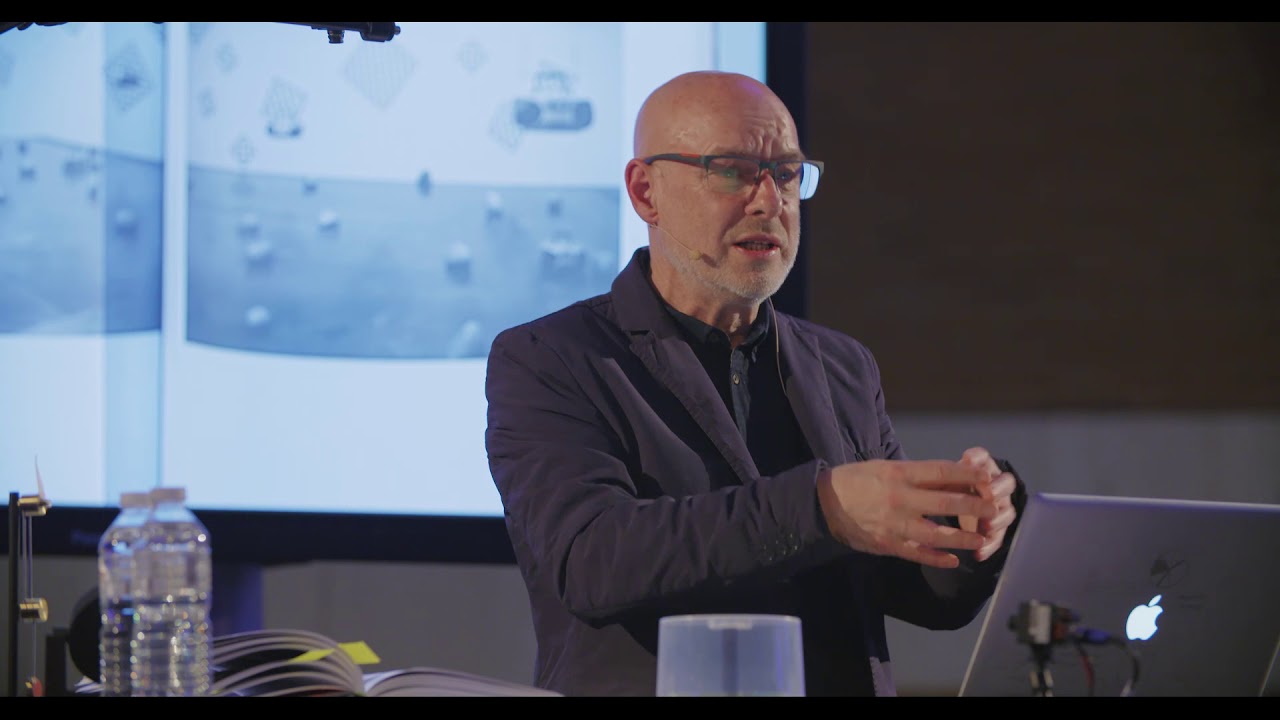
By the way, when I was a late teen, Eno had a “music and light-art” installation in a big park here in Copenhagen. Little boxes scattered around the park, each showing their little, slowly changing ligth-art-installation on a screen in the box, with a speaker inside playing generative music to go with the art. It was fascinating and brilliant.
4 Likes
9 Likes
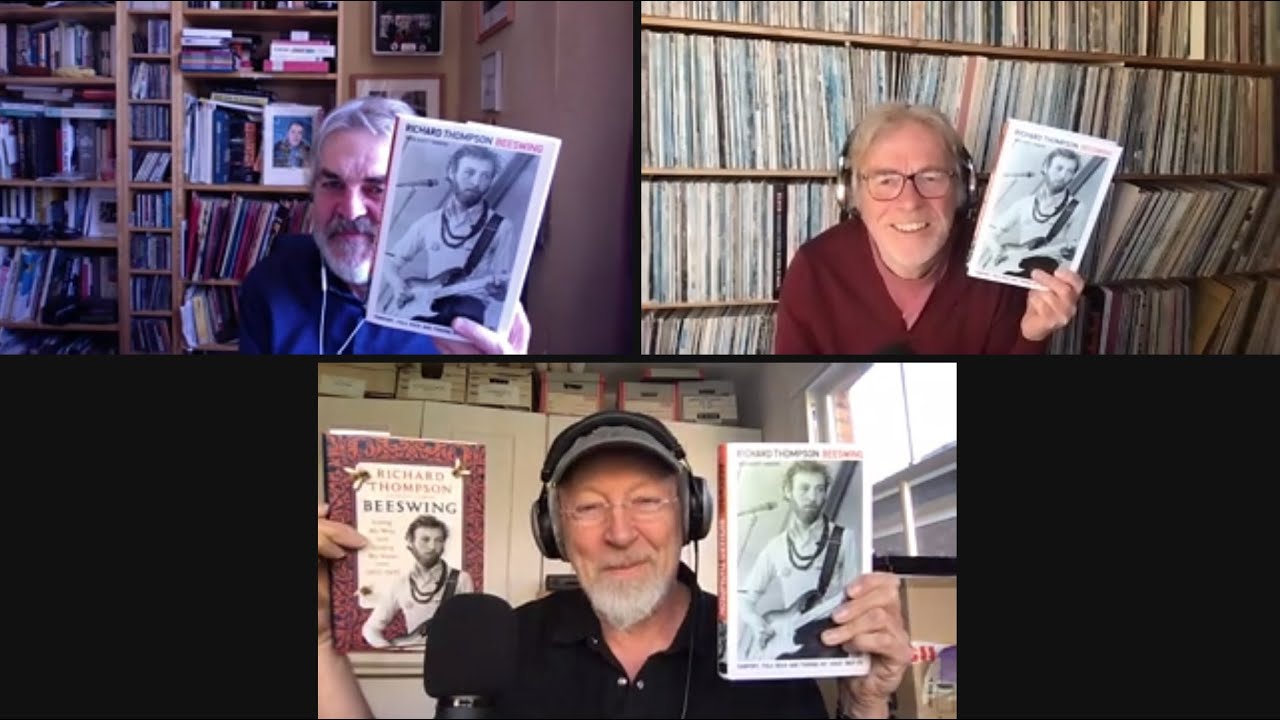
Word In Your Ear is a video podcast run by a couple of ex music press guys. Interesting chat here with Richard Thompson, lots of insight into how bands like Fairport worked especially how the 3 albums that came out in 1969 were just because they were always recording tracks and the albums were just something slotted together with the record company so theoretically any of the tracks could have made it onto the others.
1 Like
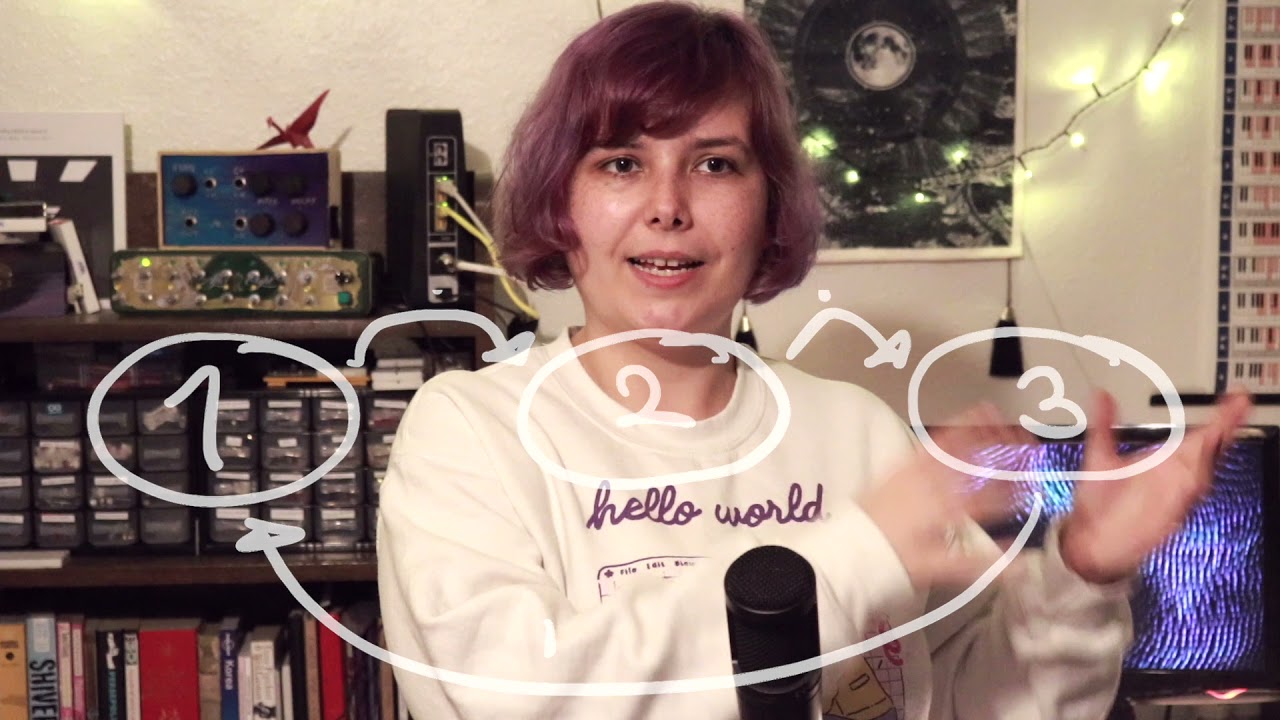
I never really understood Mr Chainkov:
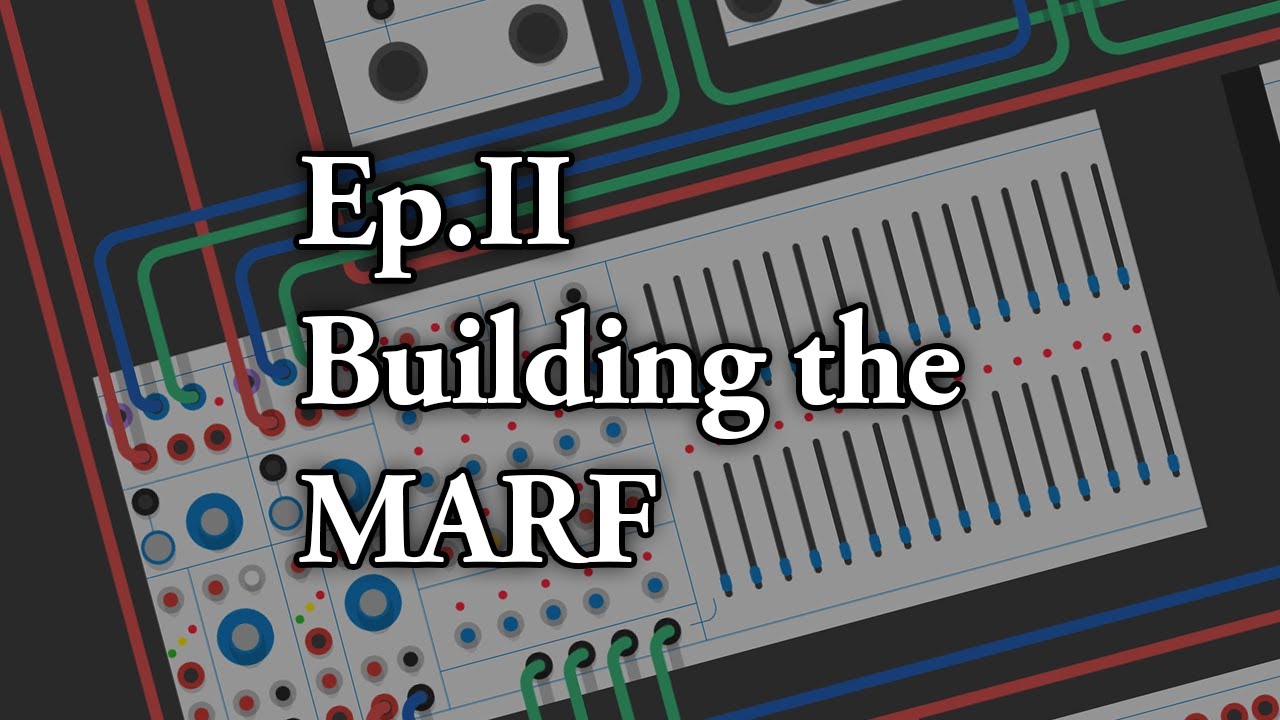
Turns out I was sort of over thinking it. Anyway, this interesting video about building an AI sequencer got me to understand what was going on:
6 Likes
I just watched that yesterday We have similar search bubbles on YT hehe. Fascinating video too.
1 Like
2 Likes
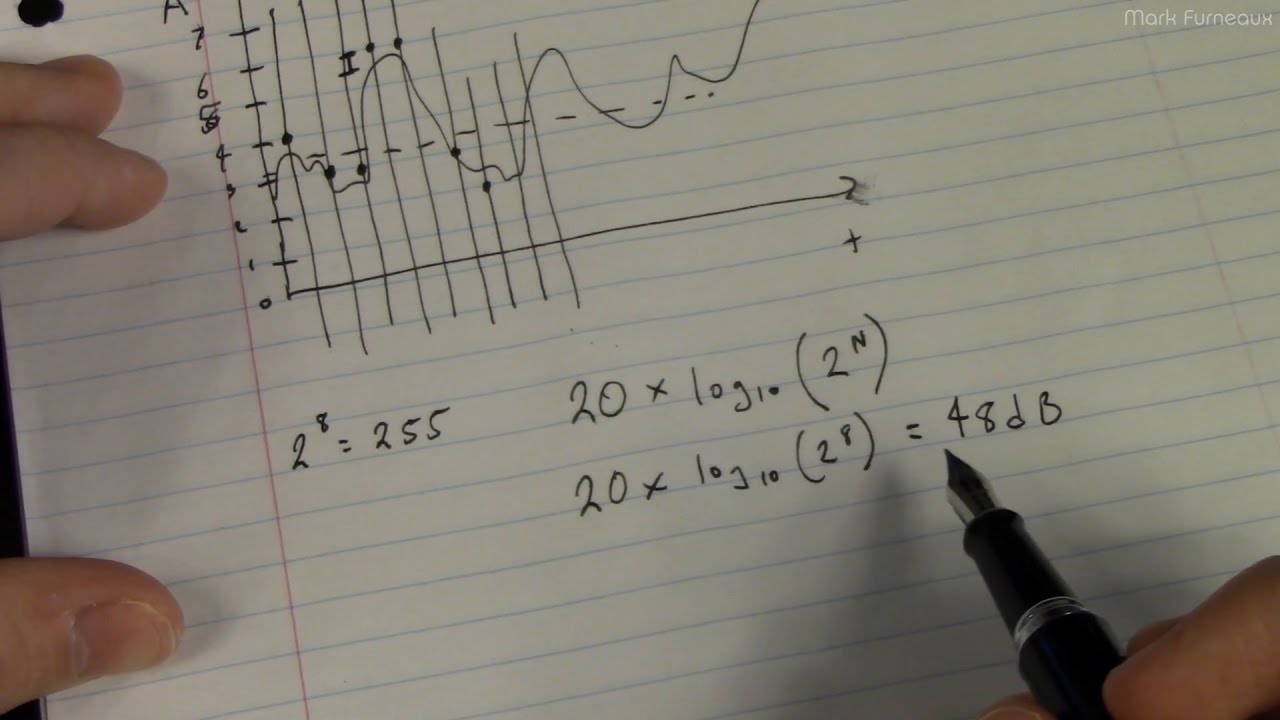
I’ve seen several like this before! “If we assume that any theoretical limitations of digital audio are inaudible, then I can prove they are inaudible”. ok, I guess you can, if you do it like that 
2 Likes
It depends on what will be done in the digital domain. For example, slowing down a .wav file to get the effect like playing a recording at 7.5 ips that was recorded to tape at 30 ips (or even more extreme like a slow tape-stop effect) makes the limitations of digital audio audible immediately. Oversampling may help a bit here, but we can’t oversample up to the speed of light 
1 Like
I’ve not watched it. The line 2^8=255 had me seething sufficiently to know I’d go Stressed Eric if I put it on.
4 Likes
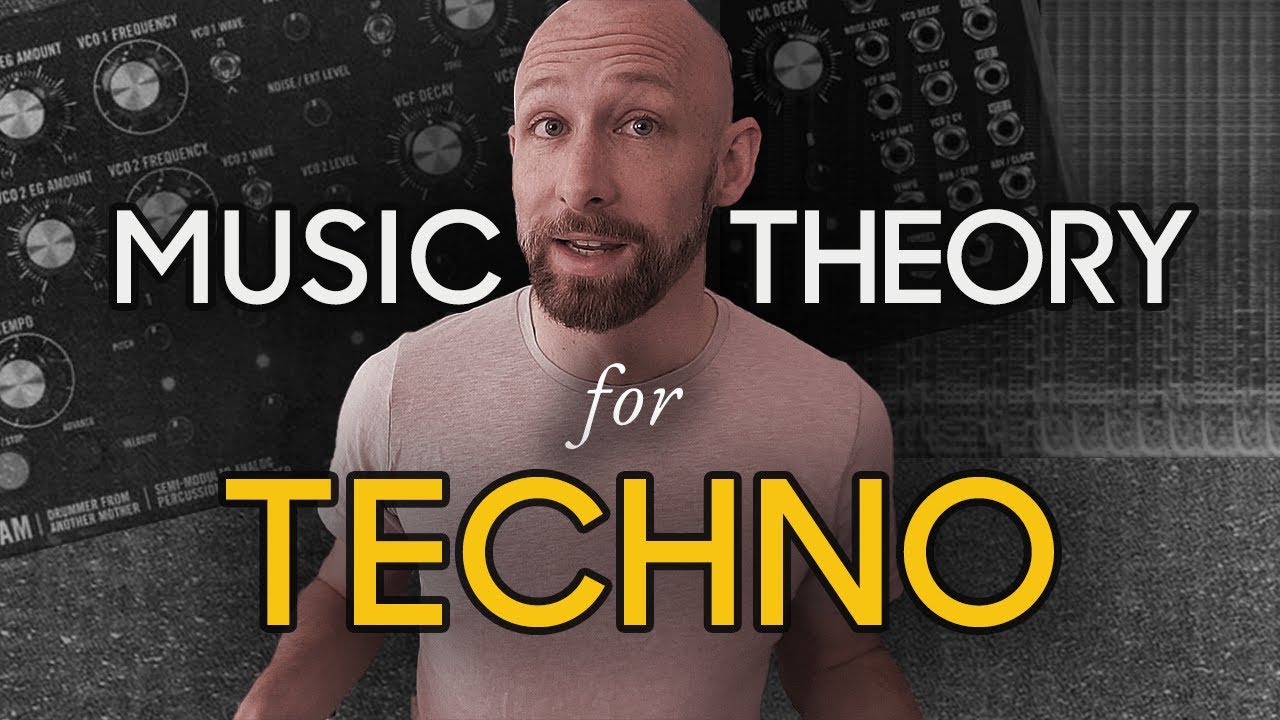
I wanted to write a load of stuff about how I relate to this video but I couldn’t get it right so here it is. I found it useful. I even made notes.
3 Likes
Some audio software is so funny designed like this ‘Decapitator’ in ‘Punish mode’ from this video 
I think I need to listen to more classical music to really get these classical theory tips.
Not really. Understanding what “tonality” and “atonality” are is important but other than that I just thought it was a good intro to techno for someone like me who bare ever listens to that kind of thing. He has another video on techno rumble that I didn’t even know was a thing until I watched that first video.

edit to add: I think I was thinking about consonance and disonance but tonality and atonality are also important.
I used to work with a character how had a interview question “I’m going to ask you a pretty easy question. But you only have five seconds to answer it. what is two to the tenth?”
Odd. I’d expect any self respecting hacker to know that from memory. I did have an OS teacher who said 1028 during a lecture; I died a little inside that day.
1 Like
Of course, 2^8 = 255 for sufficiently large values of 255.
1 Like
well, in fairness that was really only true “back in the day”. or for people doing Arduino programming. It doesn’t really come up in the real world that much any more.