6 Minimoogs playing as one polysynth (I would have used 8 but that’s just me).

6 Minimoogs playing as one polysynth (I would have used 8 but that’s just me).
volume is very uneven, but still amazing
Quantum drums 

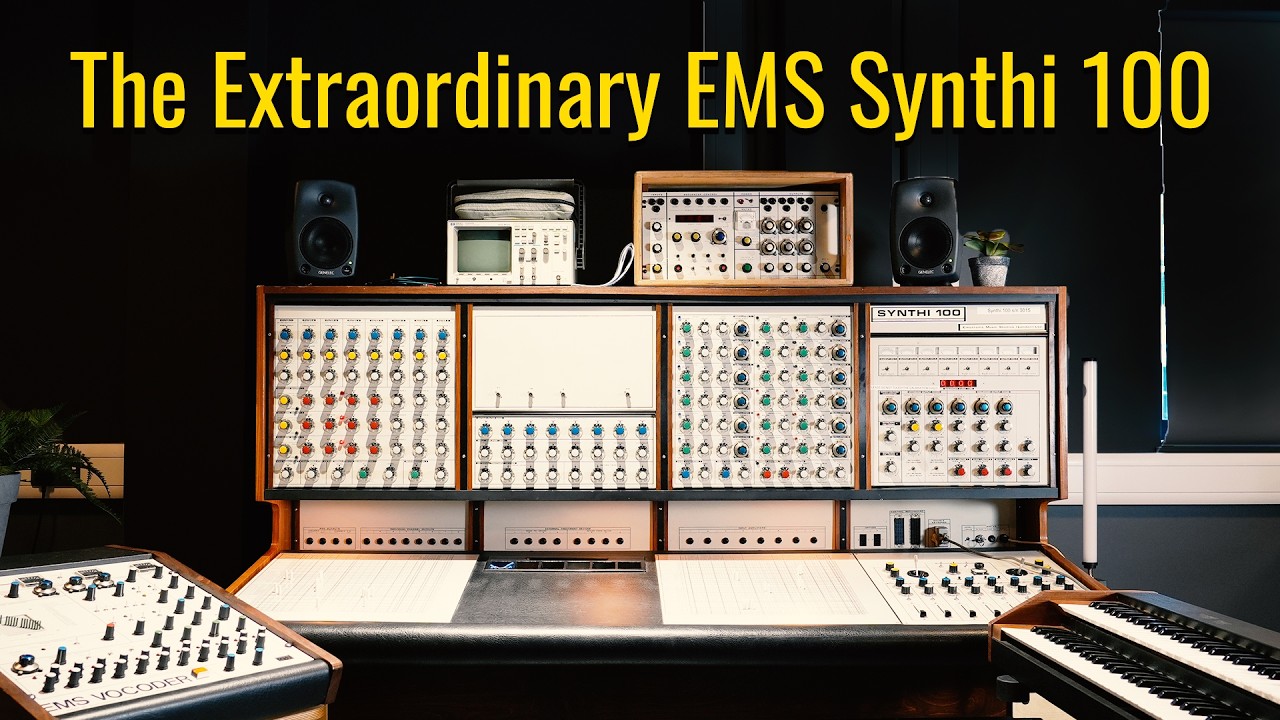
Really interesting history of EMS and the Synthi 100
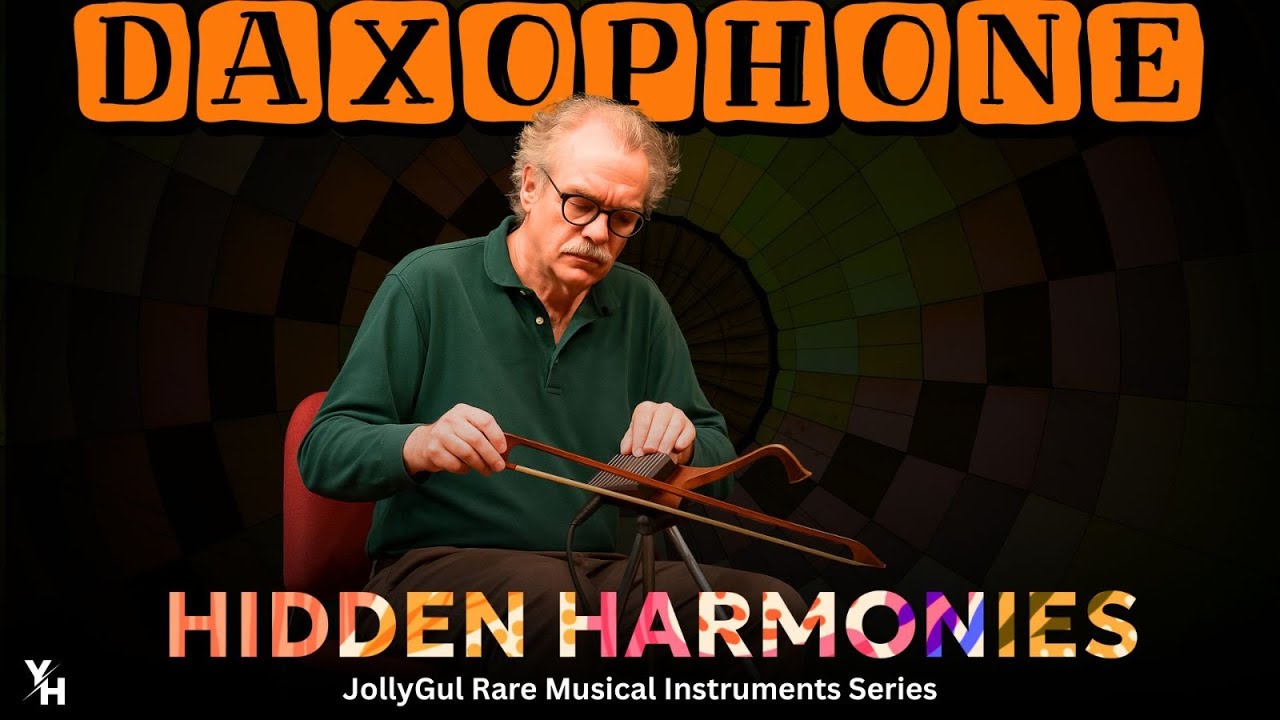
Been listening to this “album” on and off
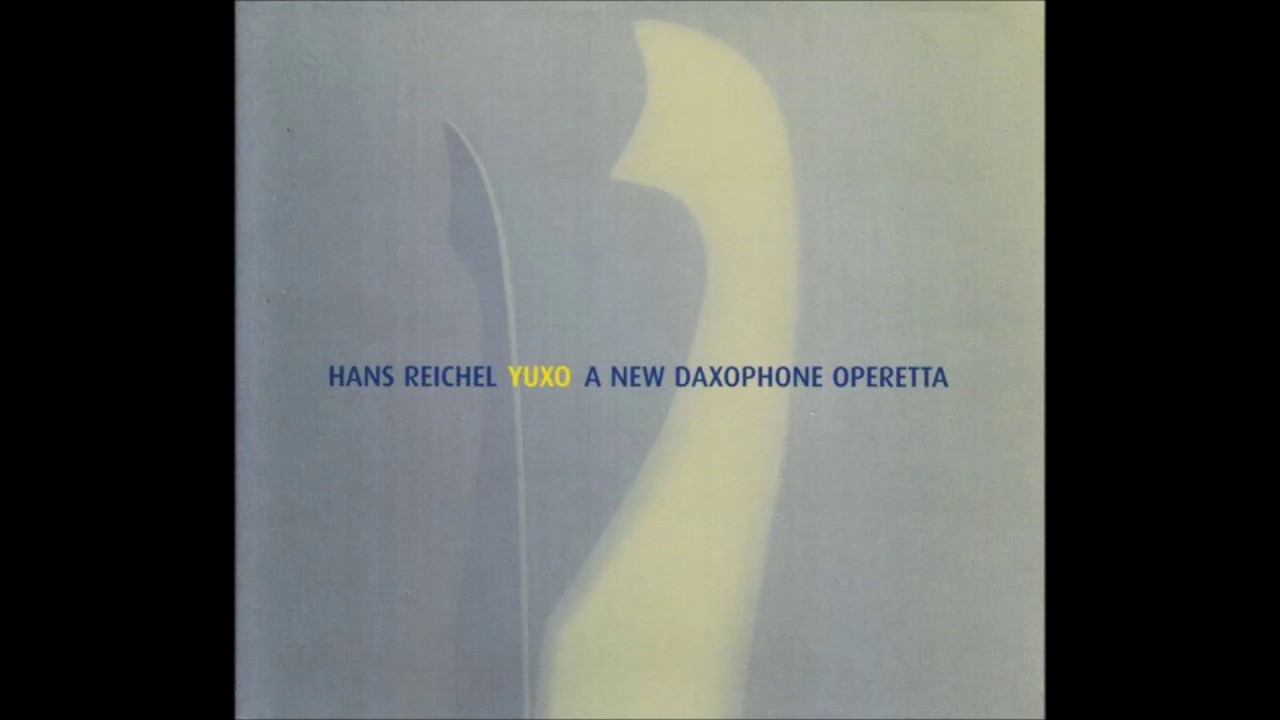
It’s very “The Residents” to me. And I like it.
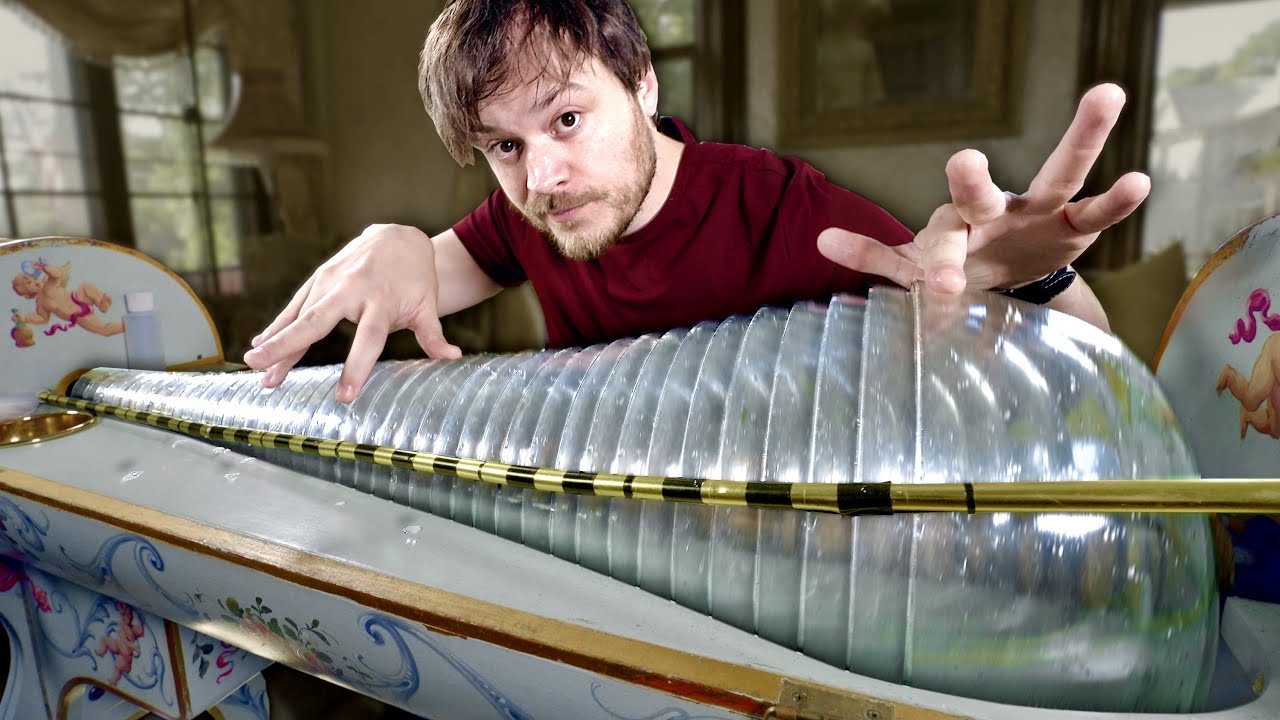
So much gear …

At least he admits he’s got a serious GAS problem. But impressive collection for sure. One day it’s going to make a hell of an auction.
Synthesize Cymbals and Hi-Hats that sound REAL using the power of PARALLEL COMB FILTERS - YouTube
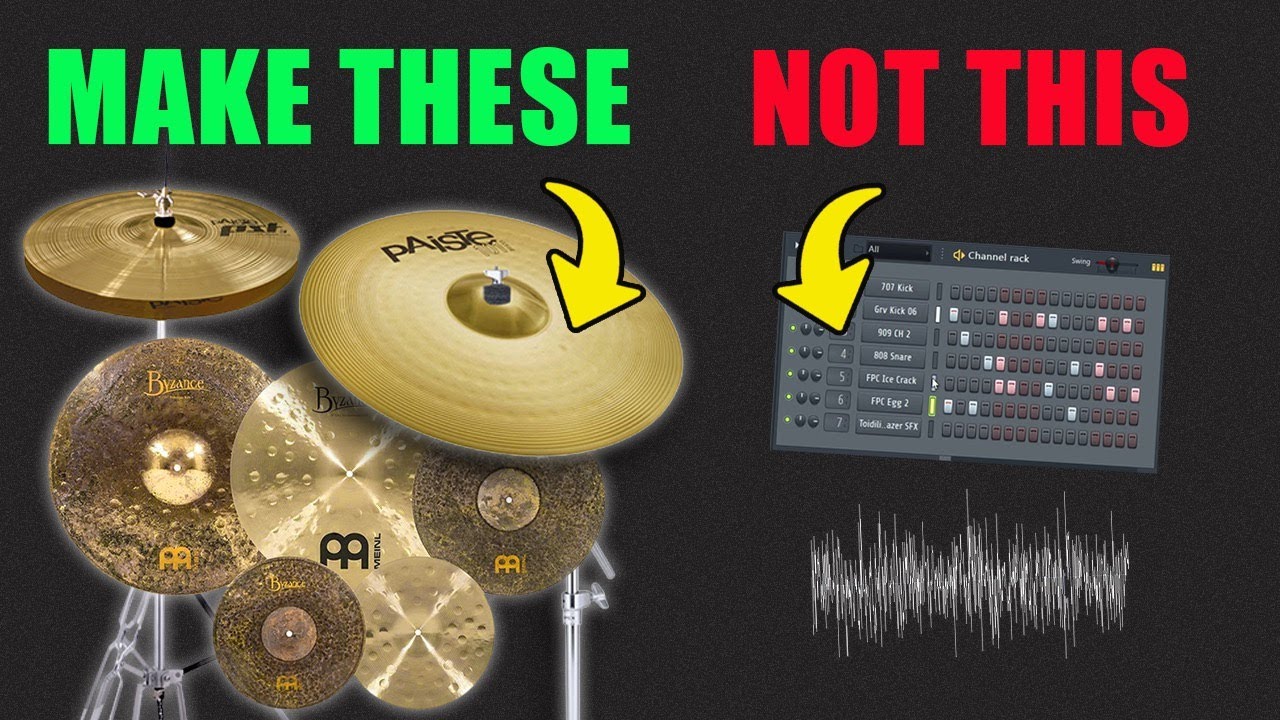
Having a lot of fun applying these concepts to use 50% of my cpu to make cymbal sounds in VCV 
Very cool… I’m watching now. I’m really into physical simulations to produce digital audio. This might inspire me to make a VCV Rack module!
March 1956, now 70 years ago, with the release of the movie Forbidden Planet, electronic music pioneers Luis en Bebe Baron created the first all electronic movie soundtrack.
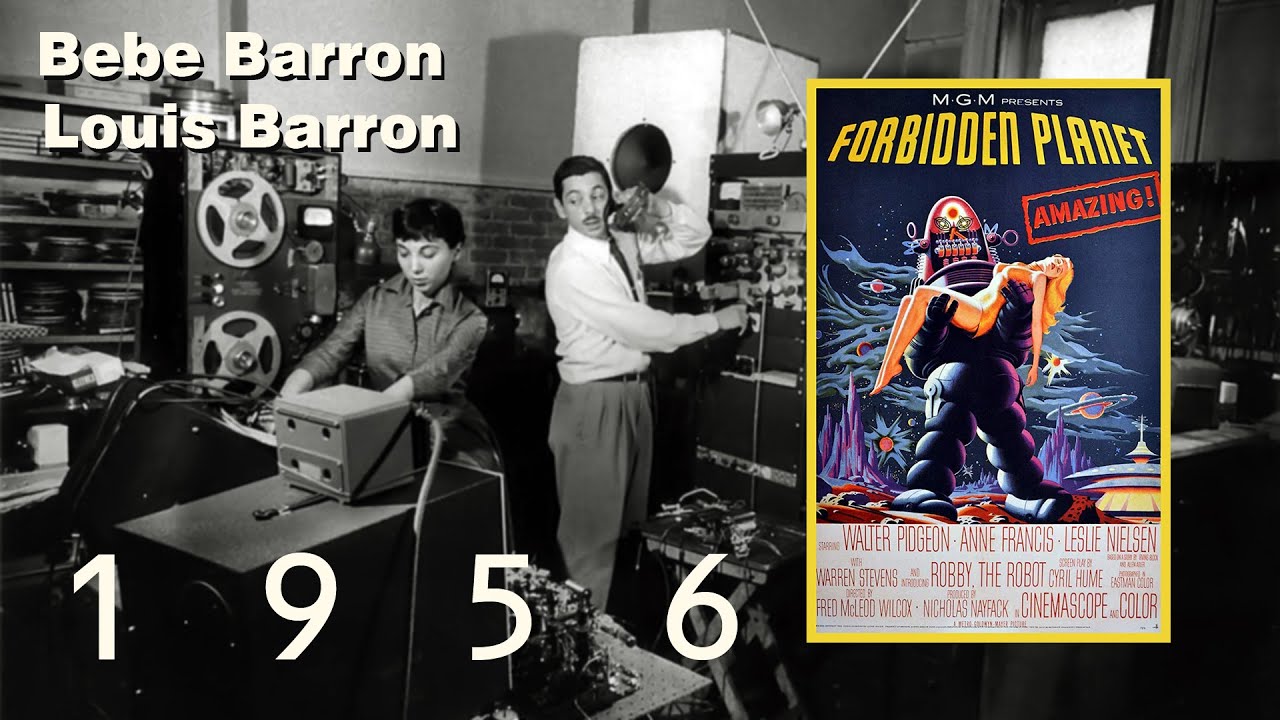


Although the claim that the Barrons invented electronic music might be somewhat exaggerated. They sure were pioneers.
As a Dutchman I have to mention that Philips (the Dutch electronics brand) had a world renowned physics research lab, NatLab, that spawned many electronic inventions (e.g. Compact Cassette, CD, DVD). Starting in the same year, 1956, many electronic music experiments and compositions were done there by Dutch pioneers including Tom Dissevelt, Henk Badings and Dick Raaijmakers (Kid Baltan). but that’s another story. This music was compiled and published as a 4 CD box in 2004. https://www.discogs.com/release/310002-Kid-Baltan-Tom-Dissevelt-Henk-Badings-Dick-Raaijmakers-Popular-Electronics-Early-Dutch-Electronic-Mu
Thhe following short documentary is in Dutch, so…use autotranslate for captions/subtitles…

On a related note. In the 1997 interview above, Bebe Barron mentions several contempory avant garde and electronic music pioneers (e.g. Boulez, Stockhausen, Cage and Varese). A tangent towards one of the most famous pioneering electronic music compositions ever: Poème Électronique. Created for the futuristic Philips Pavillion at the 1958 Brussels World Fair. The pavillion’s architect Le Corbusier came up with the idea and the name. Varese composed it. But the actual soundtrack/music was created in the Netherlands at the Philips NatLab facilities.
Le poème électronique is generally known as the multimedia event presented in the Philips Pavilion at the Brussels World’s Fair of 1958. The visual part of the Poème was conceived by the architect and painter Le Corbusier. He was also responsible, in partnership with Iannis Xenakis, for the design of the Philips Pavilion. The musical part consisted of a short electronic piece composed by Xenakis that was played as the public entered the space and an eight-minute electronic work by Edgard Varèse. The entire performance was fully automated.



David Hartley — The song that broke every songwriting rule
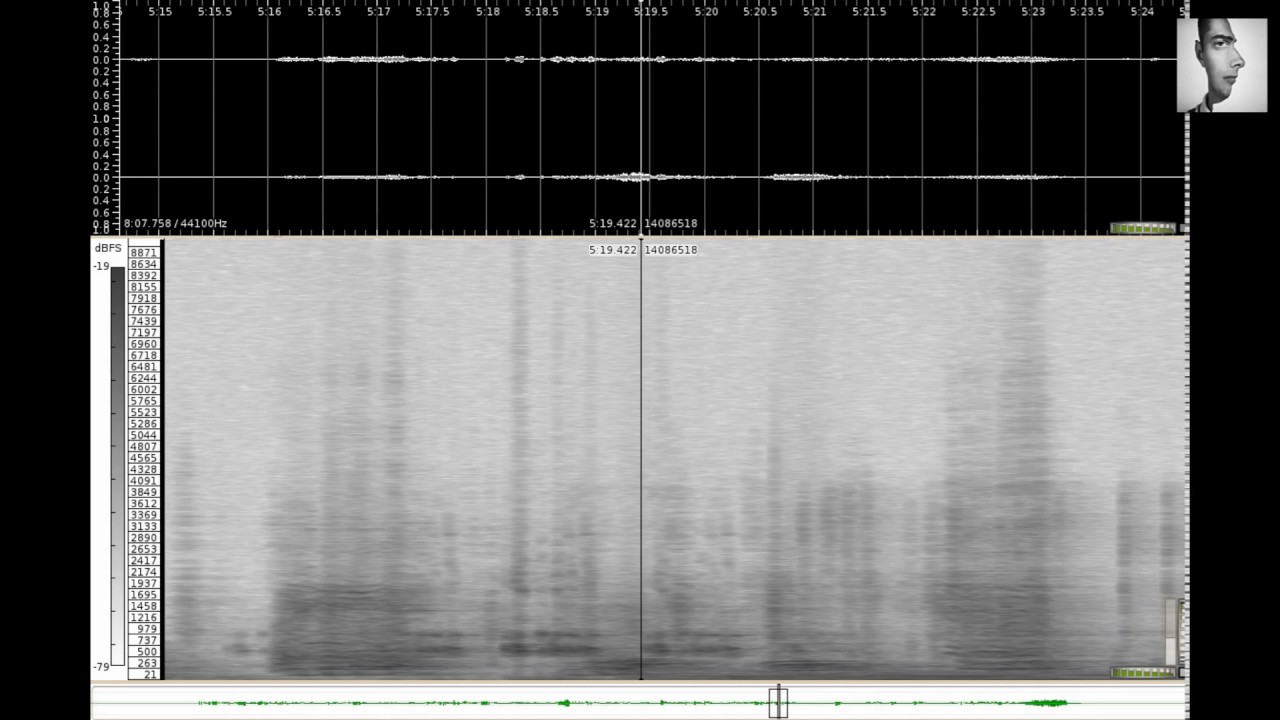
Analyzing individual tracks of Queen’s Bohemian Rhapsody.


I guess this belongs here rather than the usual What are you Watching? channel:
Oh very nice! Norway has a very similar instrument in the “Langeleik”. It’s the same name even “spil” and “leik” are near synonyms. The norwegian version is never played with a bow however. I didn’t know about this Icelandic version. Thanks for sharing!