Knowing how it turned out at the end, I have no clue how I could profit from this interesting summary. I better pay attention to current AI news…
Knowing how it turned out at the end, I have no clue how I could profit from this interesting summary. I better pay attention to current AI news…
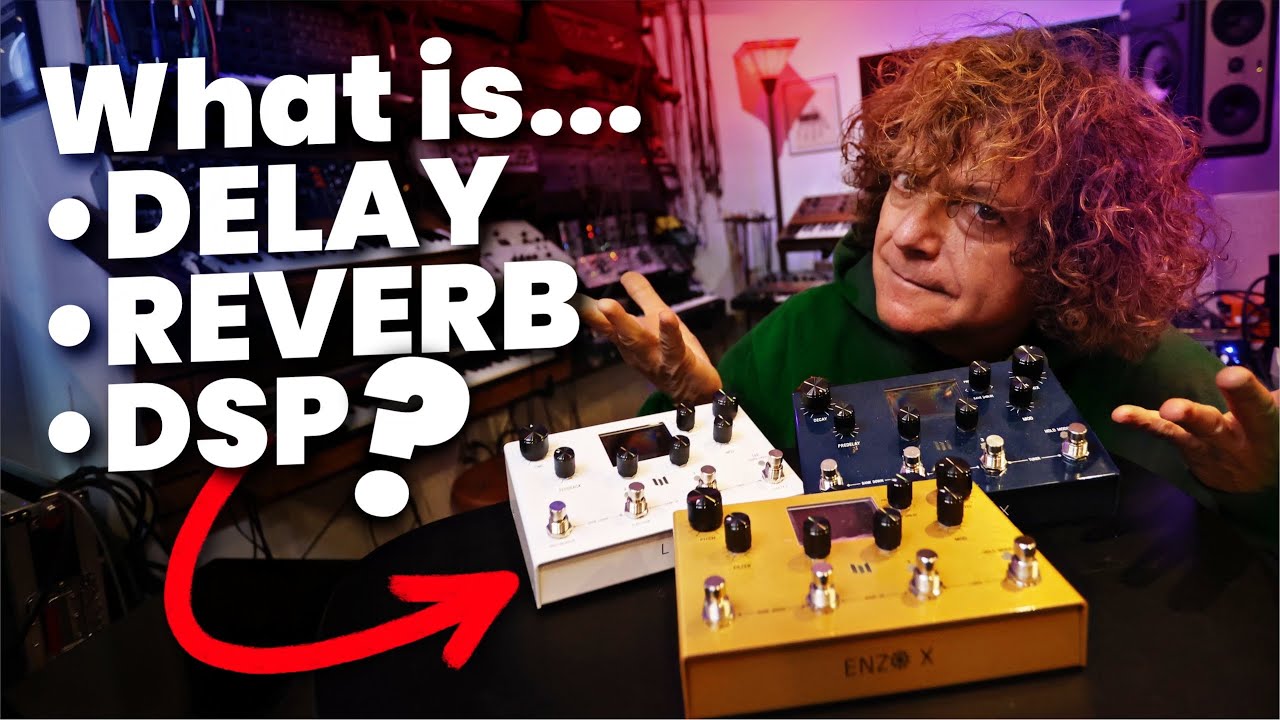
For developers, this is an approachable introduction to reverb algorithms.
This is exciting to me because every time I have read about reverb algorithms, it’s either too vague to be useful, or requires math I don’t currently know. I’m watching this video and now I’m thinking I might be able to create new variants of reverb.

EDIT: Here is the GitHub repo for the reverb example code:
Maybe also check out these articles on Reverb design/development, history and reference material by ValhallaDSP.

Interesting. Likely translation: CLAP won big time.
Indeed 
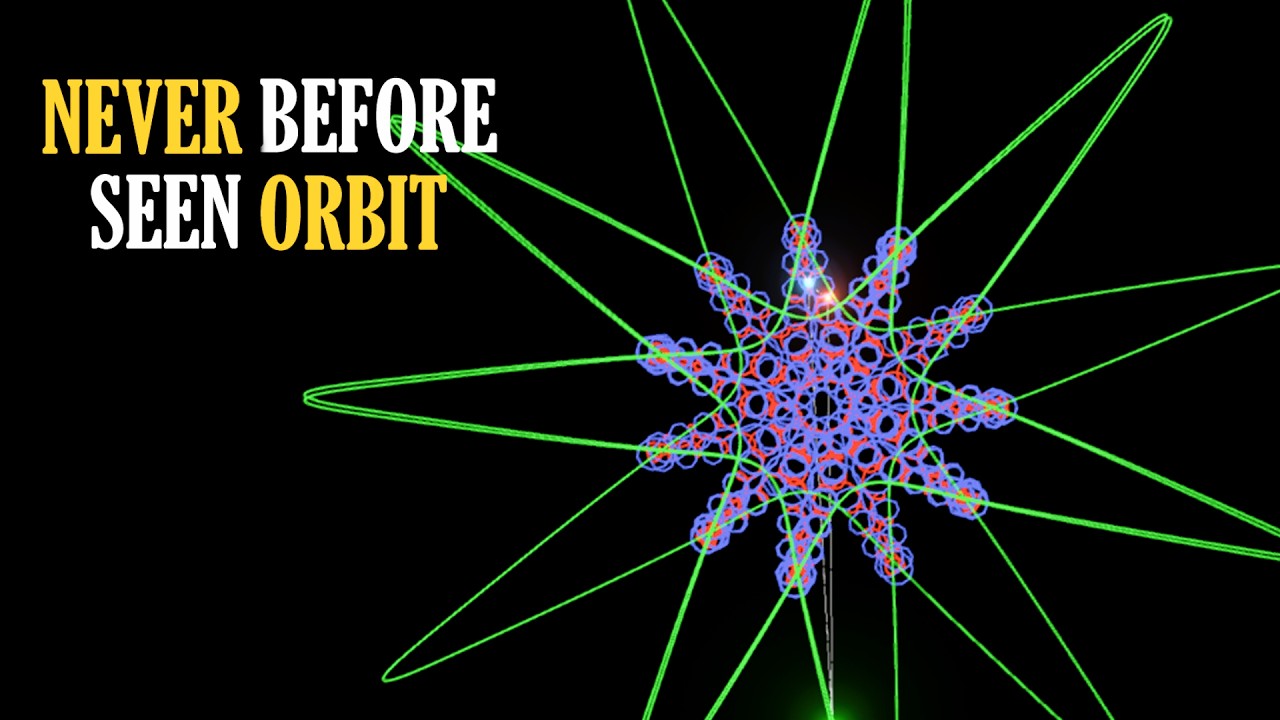
Spoiler: three-body simulation with elastic constraints. I haven’t done a lit review to see if it’s really new, but it’s new to me, and the synthesis applications seem pretty promising! The link jumps to the model development part (the beginning is an overview of chaos, double pendulum, etc.)
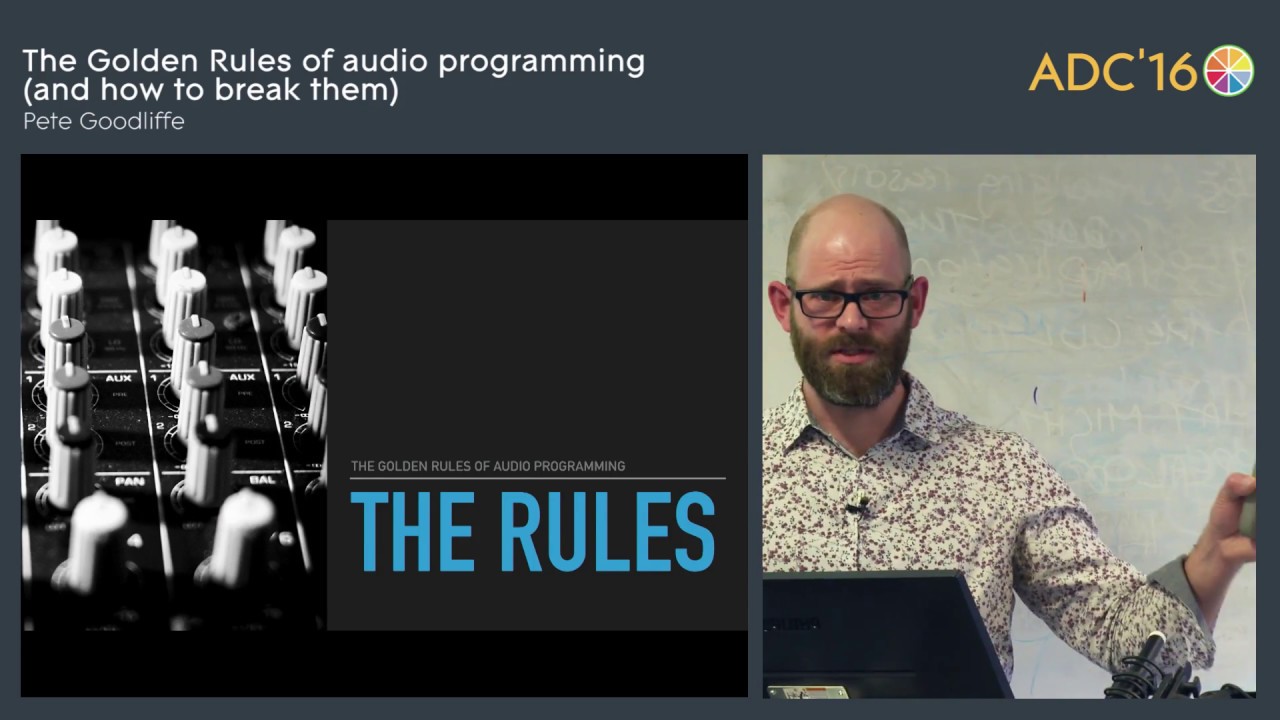
All good stuff that @Squinky could/have said, except for the “data structures owned on the UI thread”. At 48:17 I came to think of your current NaN problems @DaveVenom when he spoke of “feed low level noise in to avoid”.
Interesting - I did not know about that technique, or how it works. But for my filter I am already feeding in low level noise to enable self-oscillation when feedback is applied. I could see if increasing the noise level improves anything.
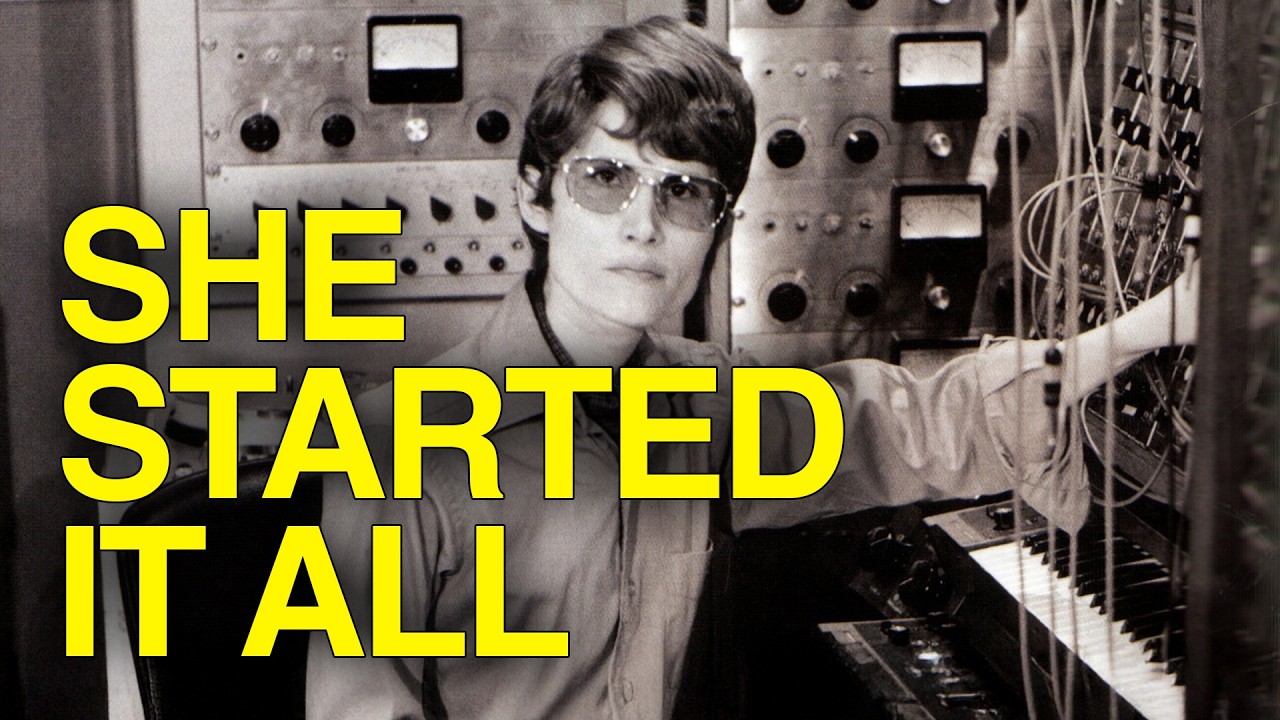
A 22 minute mini-documentary by Mystery Treehouse on the life and works of electronic music pioneer Wendy Carlos
wow, just wow
Not sure this qualifies fully for ‘Educational’, this is pure gold still
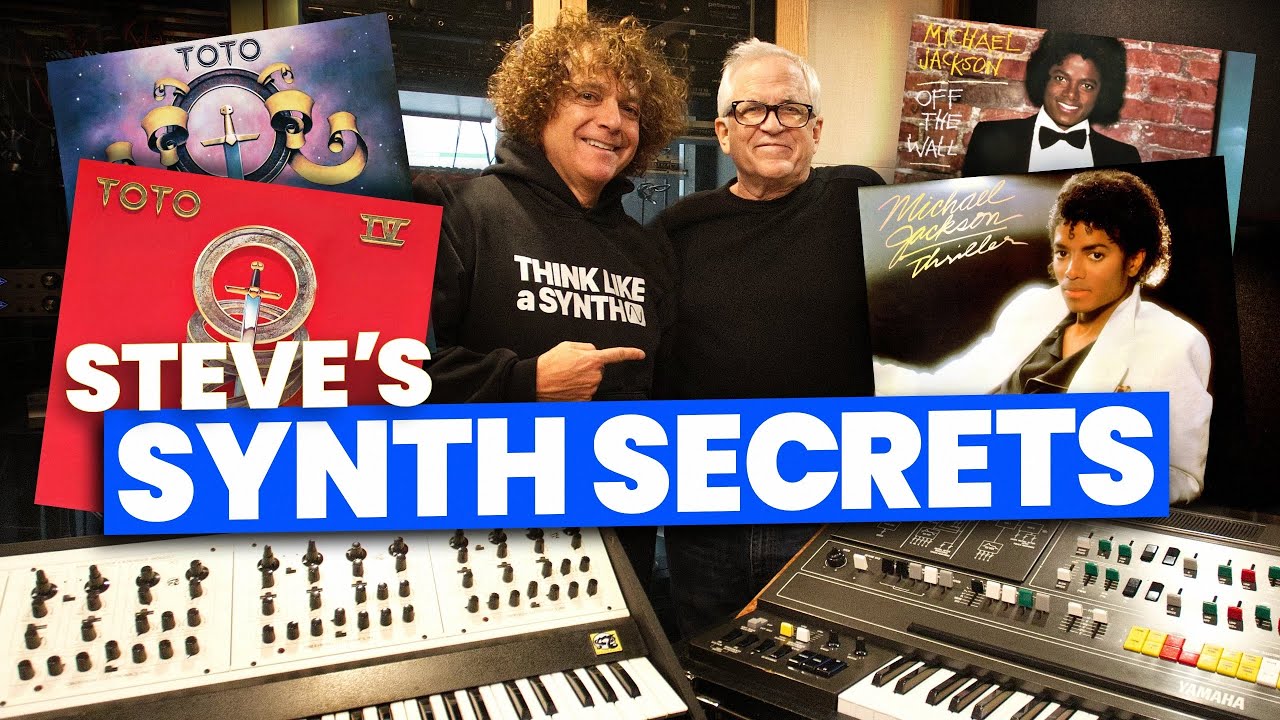
Anthony Marinelli and synth legend Steve Porcaro meet again… (check out Anthony Marinelli’s channel for many more great demo’s and interviews)
always loved that guy, still going strong
Loved this, from Moog Music
Analog?