Hi @selected, thanks for your interest!
Regarding the Gina algorithm itself, the VCV Rack, VST, and Android versions are essentially the same. There are, however, some subtle differences between them because each platform offers different possibilities.
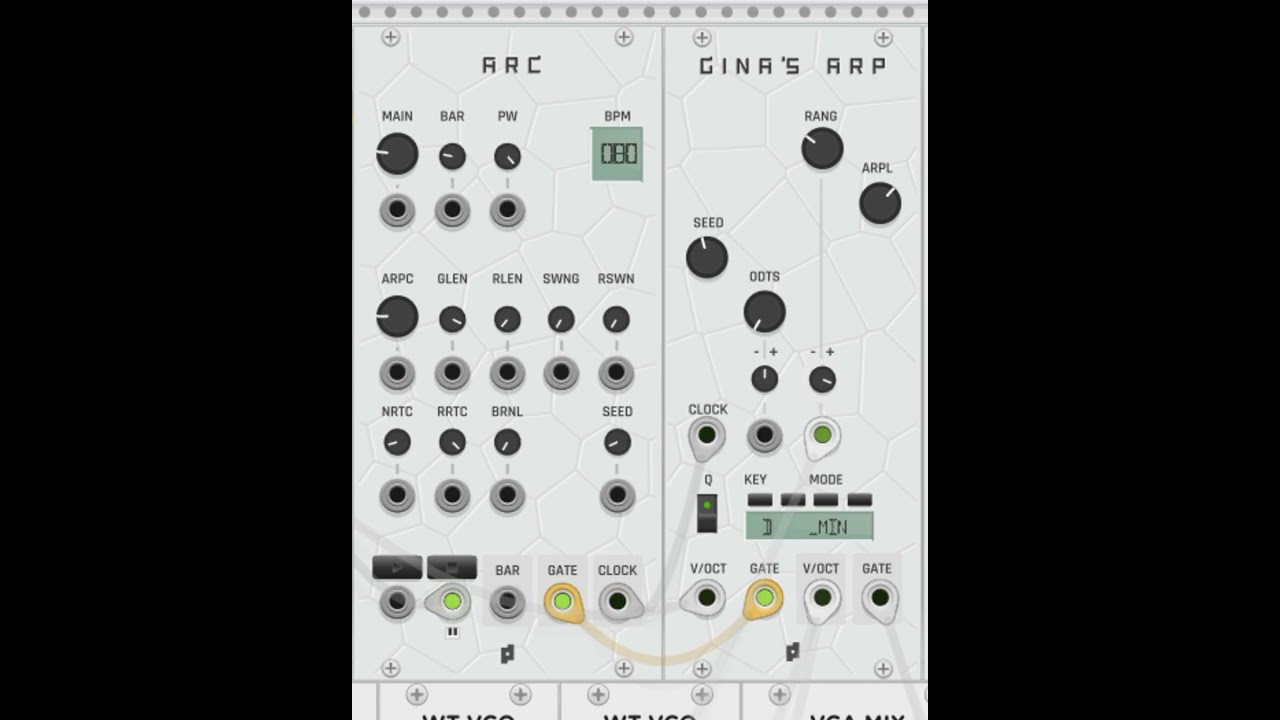
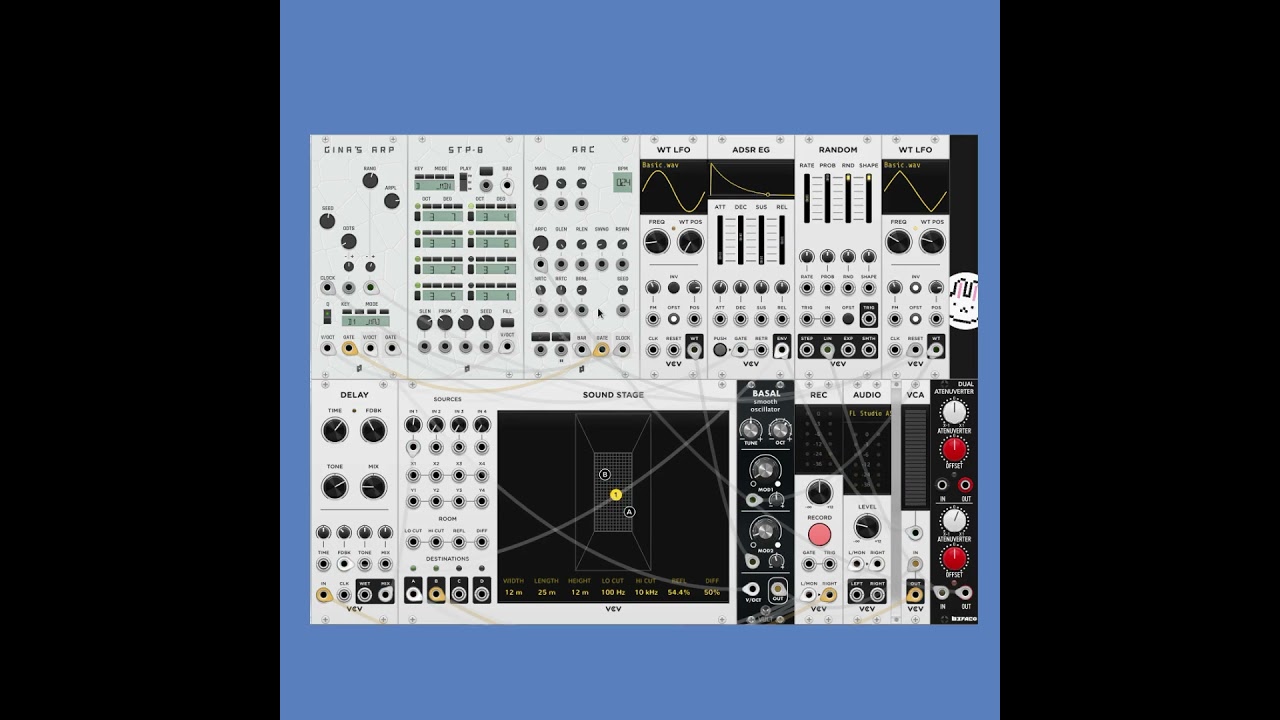
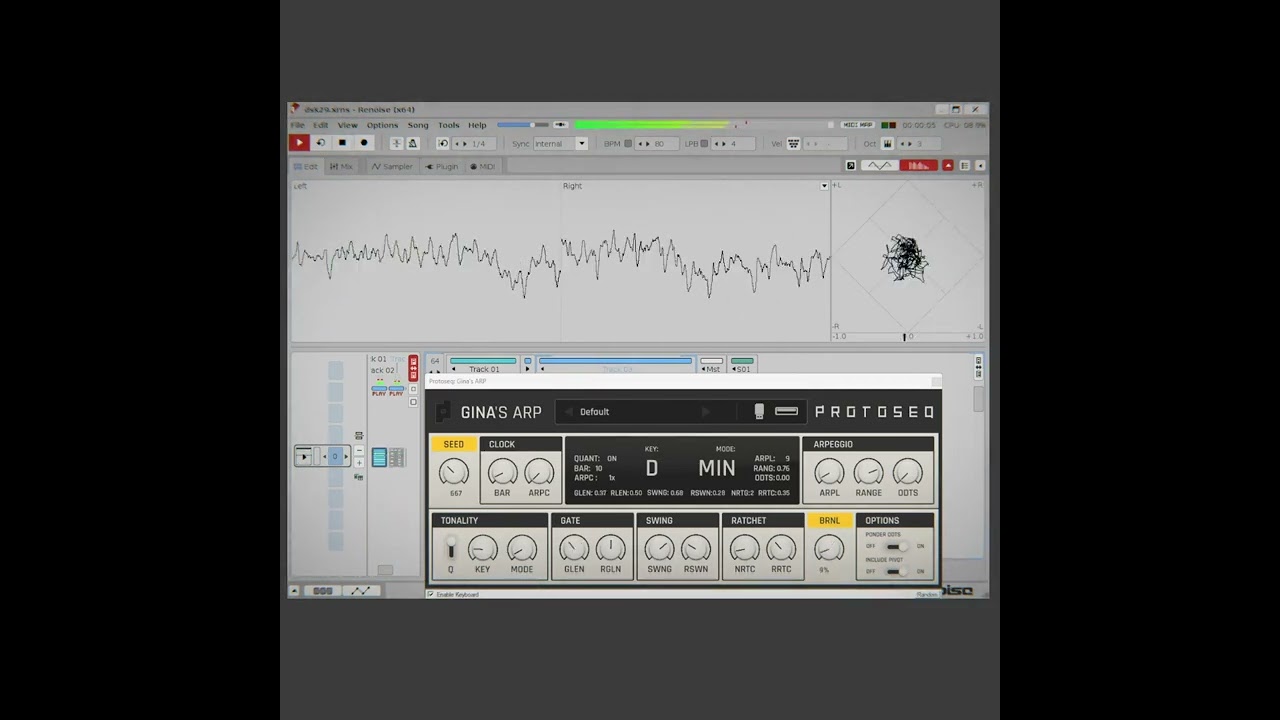
the Rack and VST versions have a dedicated clock system (integrated directly into the VST and the ARC for the rack) which makes the generated phrases more flexible and controllable, but also potentially more unpredictable.
The 8 step (stp-8) sequencer is not really necessary in the VST version because the note input normally comes directly from the DAW’s piano roll ,keyboard input , etc.
The Android version has an 8 step sequencer (a single gina per step) with dedicated controlls per step and global controls. After the introduction of the Programs, Scenes, and the Playlist, that 8 step section became somewhat redundant, but I prefer to keep it there and let the user decide whether or not to use it.
Also in the android version have 3 diferent flavors of gina: Ginas ARP, GS-8 and Duty OP. The DUTY OP sequencer introduce a single step of Gina beside a pretty nice rhythm sequencer (nothing complicated to build in the rack with maths, logic operators and LFOs).
Personally, I really like the CV inputs in the Rack version. But I believe this is mostly a personal preference, since modulating the parameters in a DAW is always possible as well. In my experience, Gina feels particularly good in a modular environment, although VCV Rack is not the software I use most often, I spend much more time performing in Renoise, so I use the VST the most too.
So basically, all versions share the same Gina algorithm and philosophy, with some differences that take advantage of the strengths and limitations of each system.